
Notes on careers, culture, and building a life in Japan, written from Fukuoka. New pieces go up here first.
Articles
2026-10-23
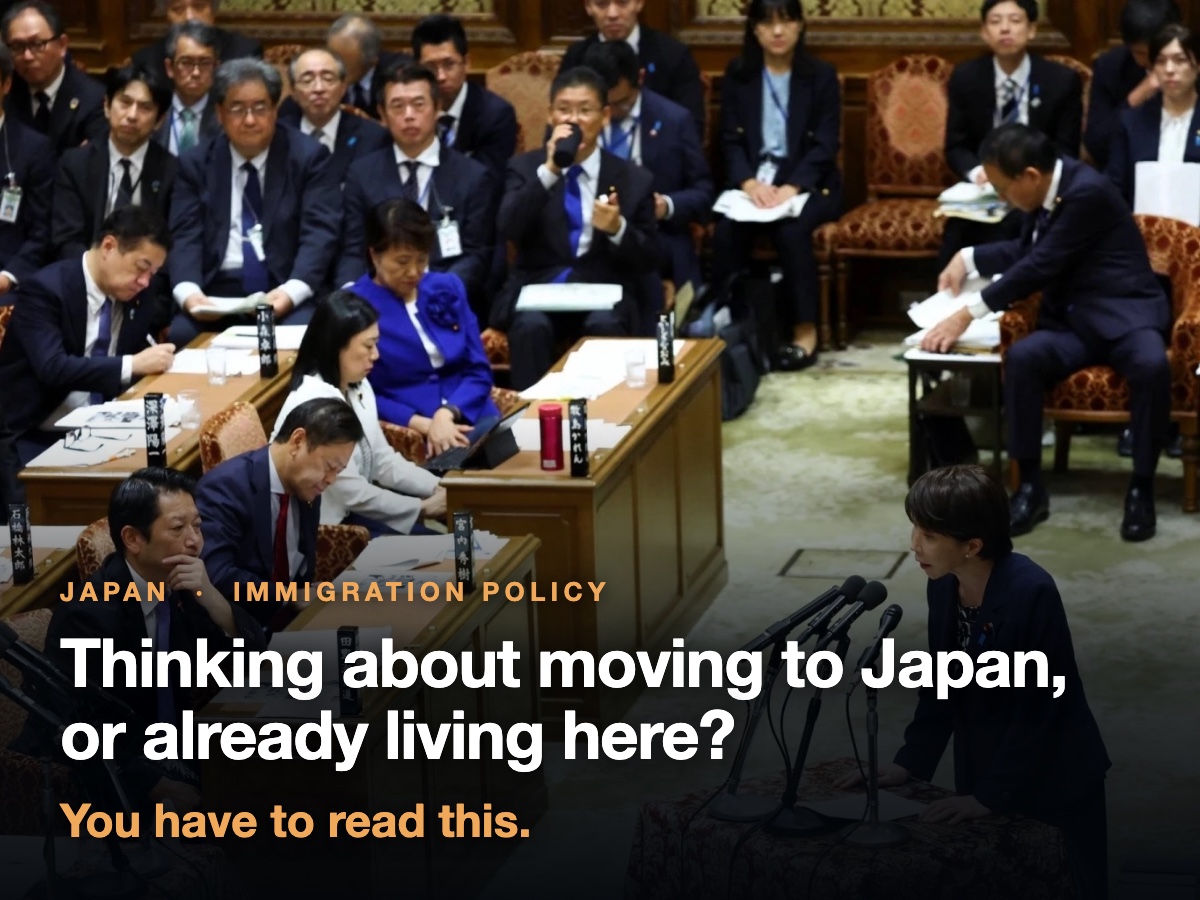
Japan has no cap on foreign residents. That is being decided by March.
The basic policy is due by the end of the fiscal year, and a cap is on the table. Some statuses already have ceilings, and one of them closed in April.

2026-10-21
Make it a number that counts
Someone will ask you for a JLPT level eventually. Clear the total and miss one section by a point, and it does not count at all.
2026-10-20
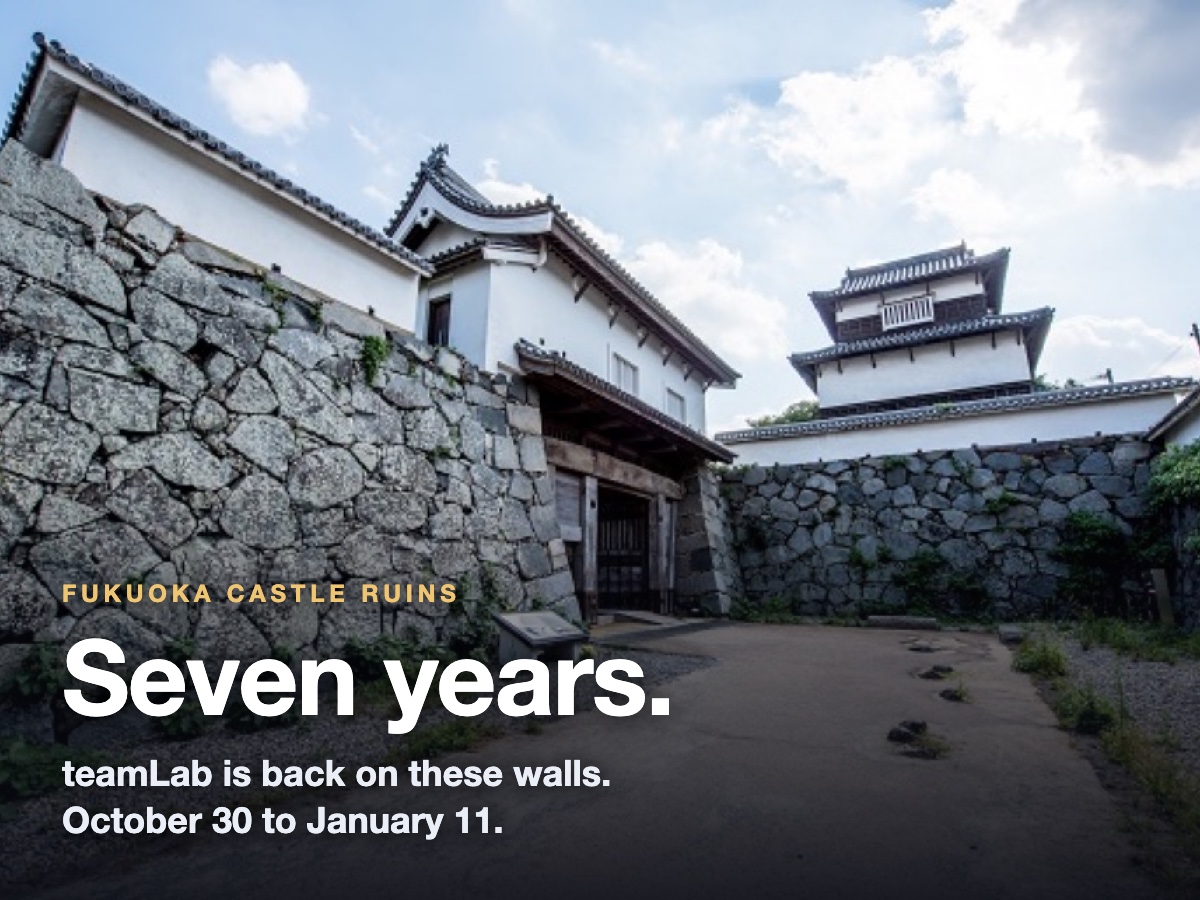
teamLab is back on the walls of Fukuoka Castle
Third time ever, first in seven years. From October 30 the work goes onto four hundred year old stone, outdoors, in the middle of Fukuoka.

2026-10-19
Fukuoka's Halloween is not on the street any more
Keigo Park is full of flowers this year and closed after five. If you want the night version in Fukuoka, it is indoors now.
2026-10-18
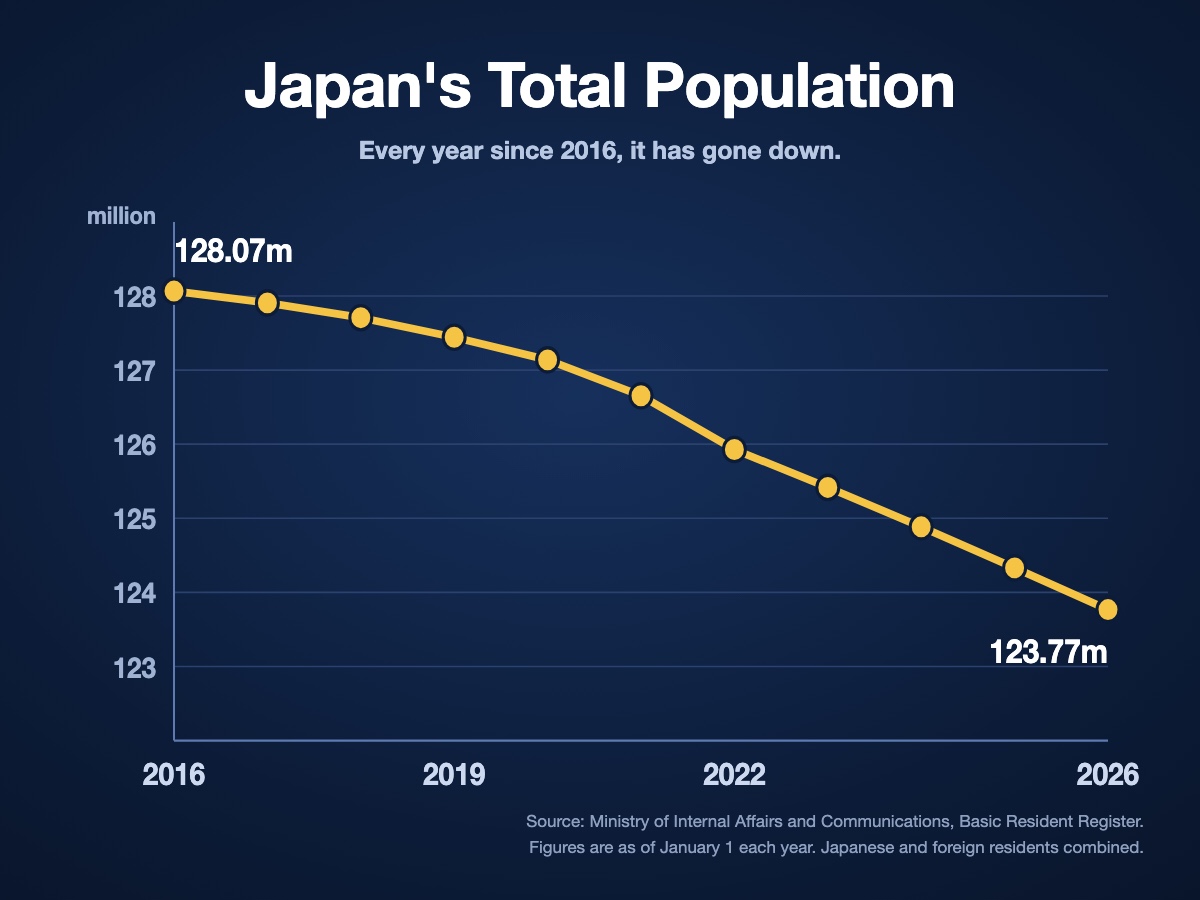
Japan is not full. It is short.
Japanese residents fell by 916,744 in a year, and foreign residents passed four million for the first time. Where you land in Japan is the decision everything else sits on.
2026-10-17
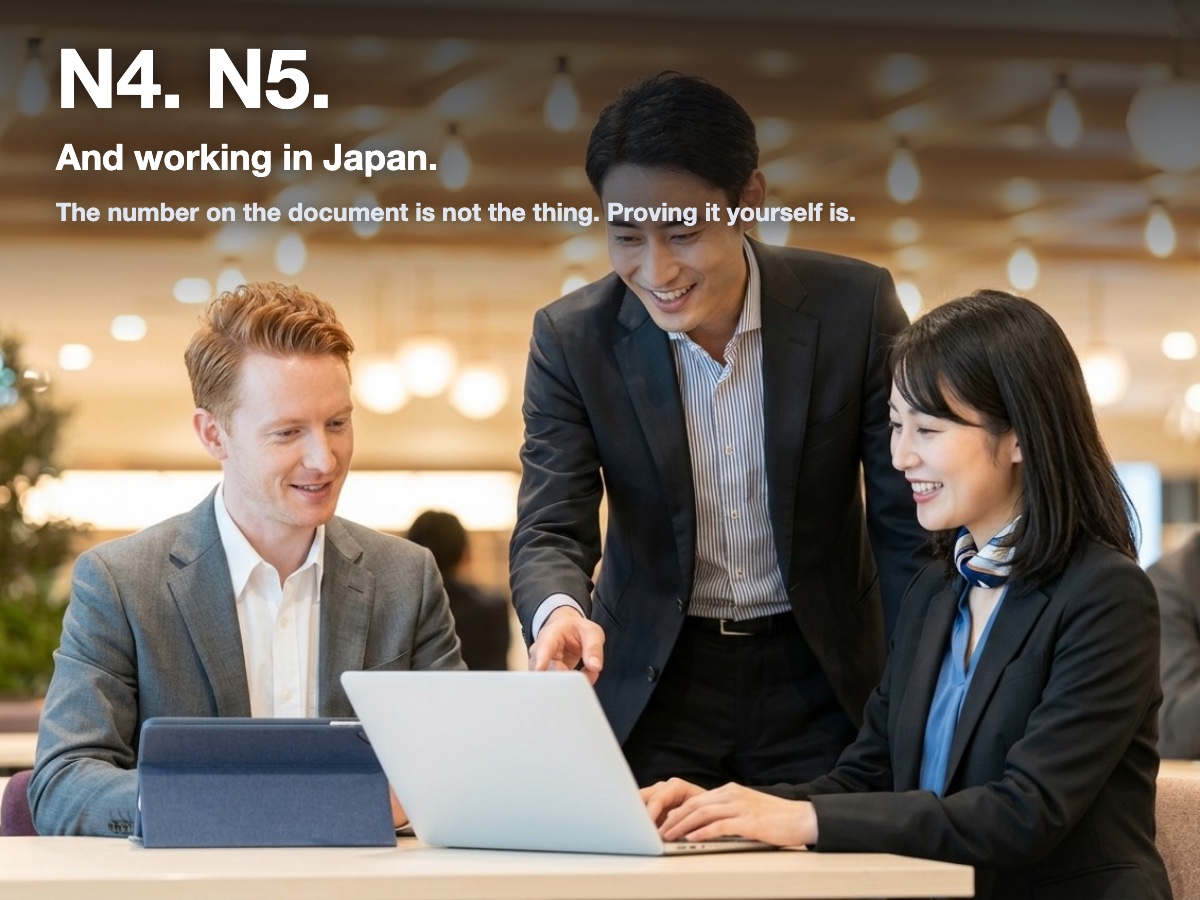
N4 and N5, and working in Japan
The level in the job posting is a filter, not a rule. I know people working here at N4 and N5, and some of them are in Fukuoka.
2026-10-14
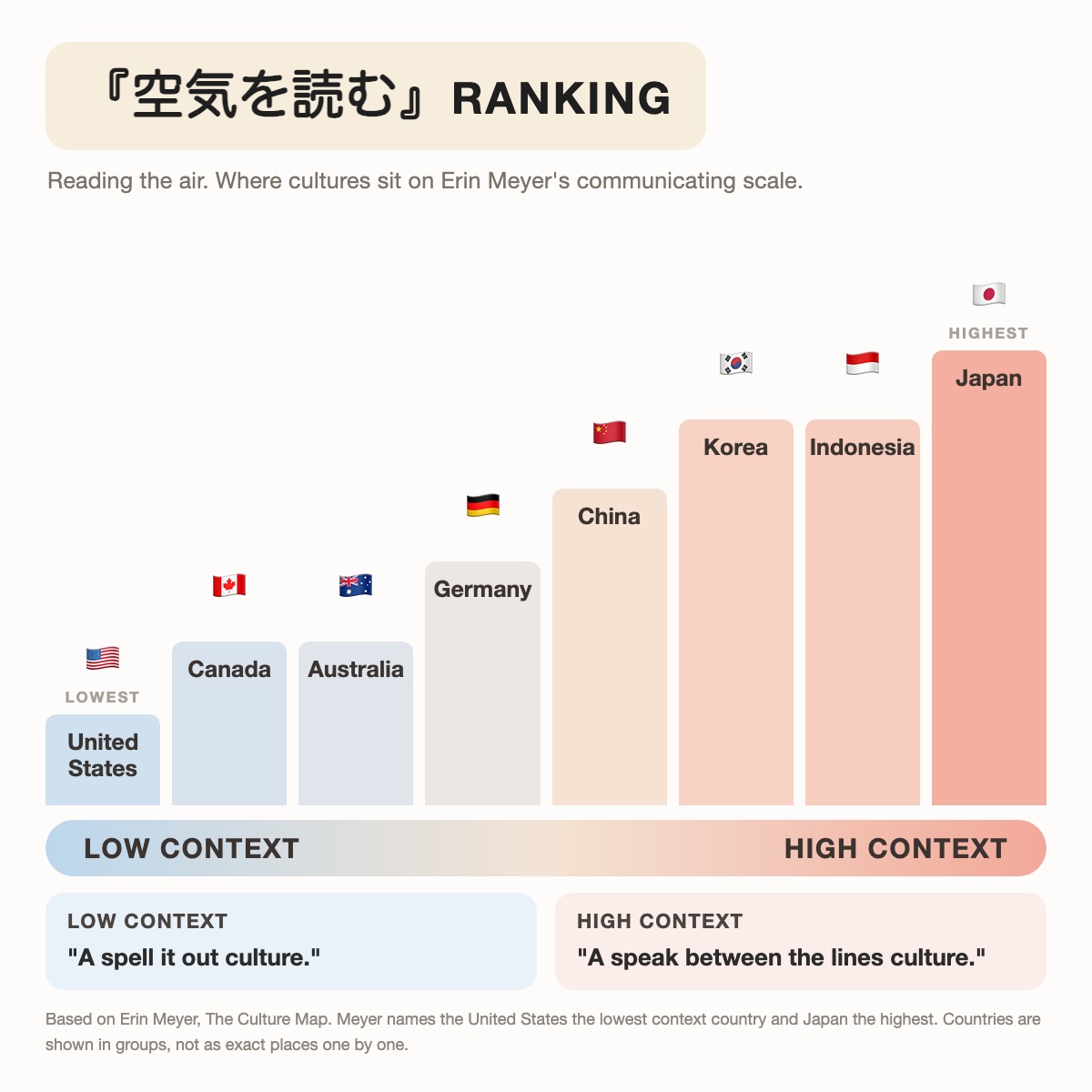
Japan sits at one end of a scale, and the scale has a name
Erin Meyer puts the United States at the lowest context end of her communicating scale and Japan at the highest. What matters is not where Japan sits, but how far you came from.
2026-10-14
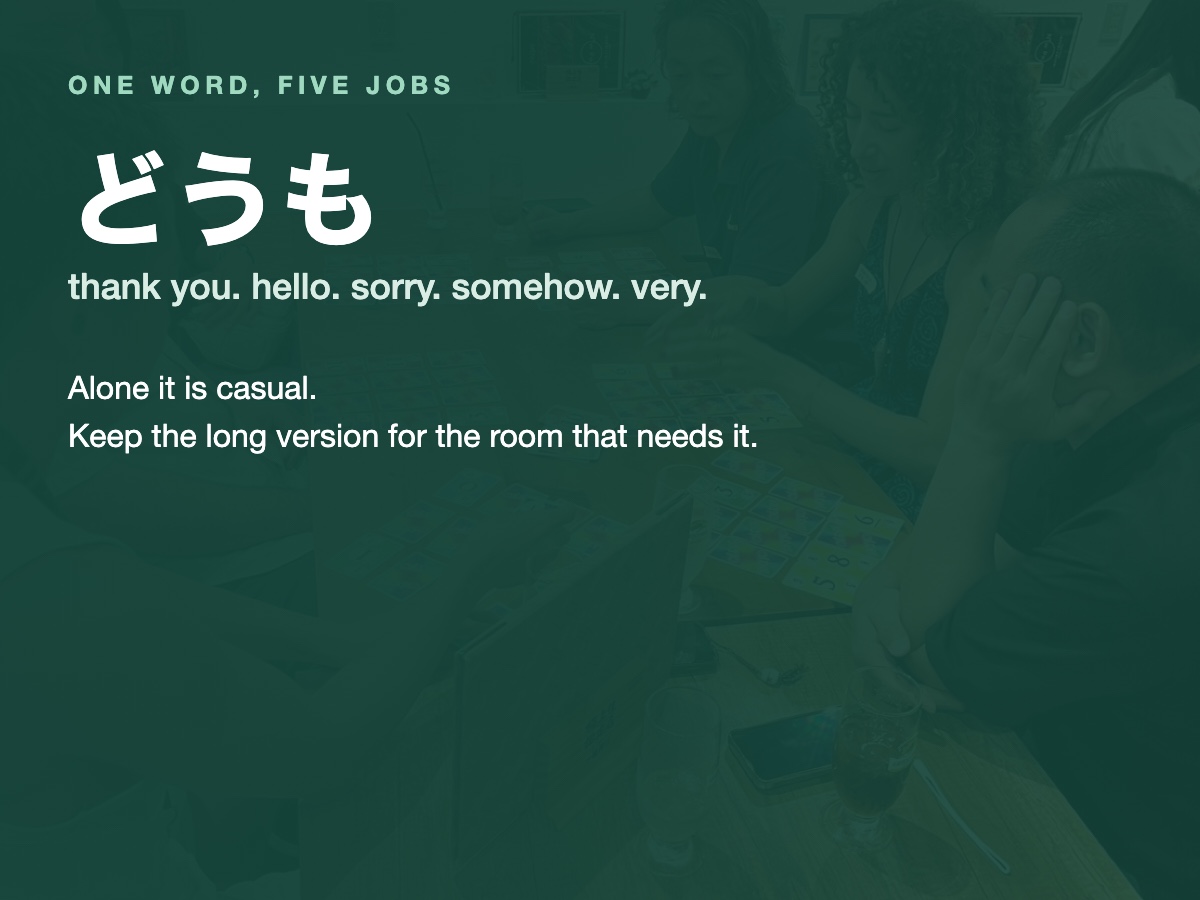
Doumo does five jobs and almost nobody teaches it properly
Thank you, hello, sorry, somehow, very. One word, and the jobs are not even related to each other.
2026-10-13
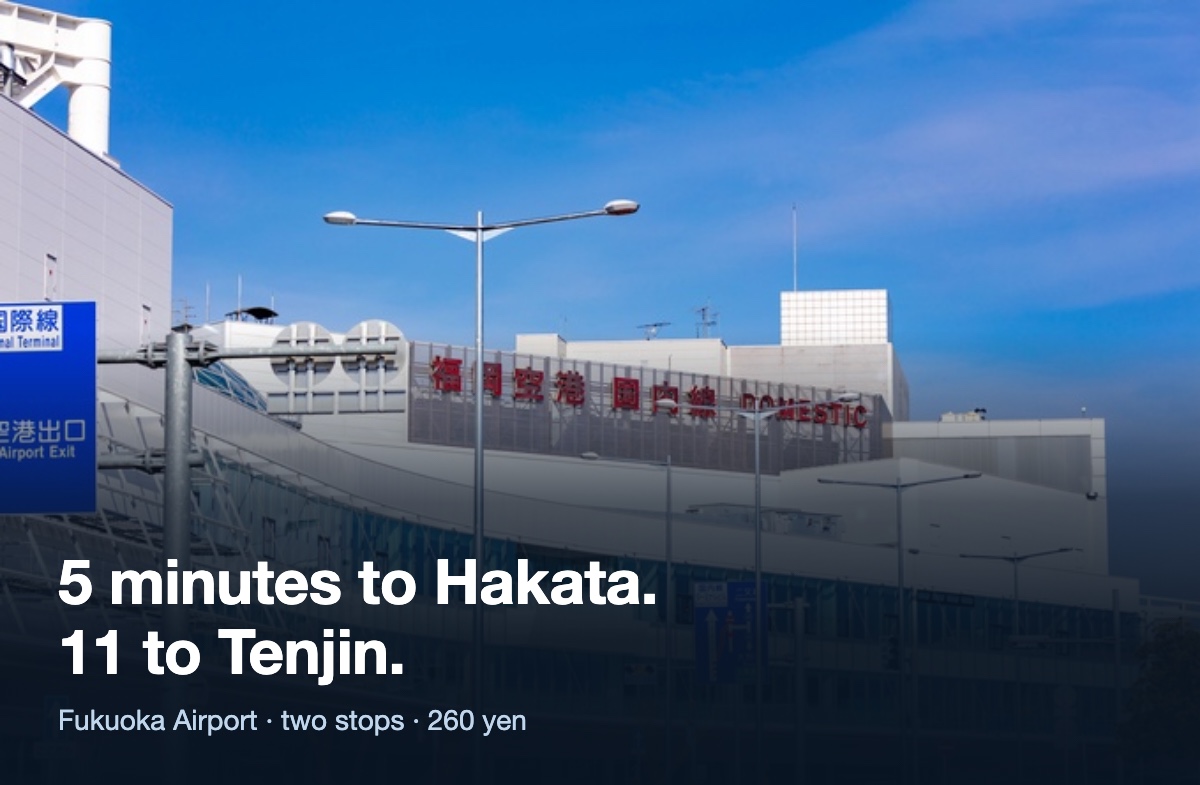
The airport is five minutes from the middle of Fukuoka
Two subway stops and 260 yen. What that does to a life is bigger than what it does to a holiday.
2026-10-12
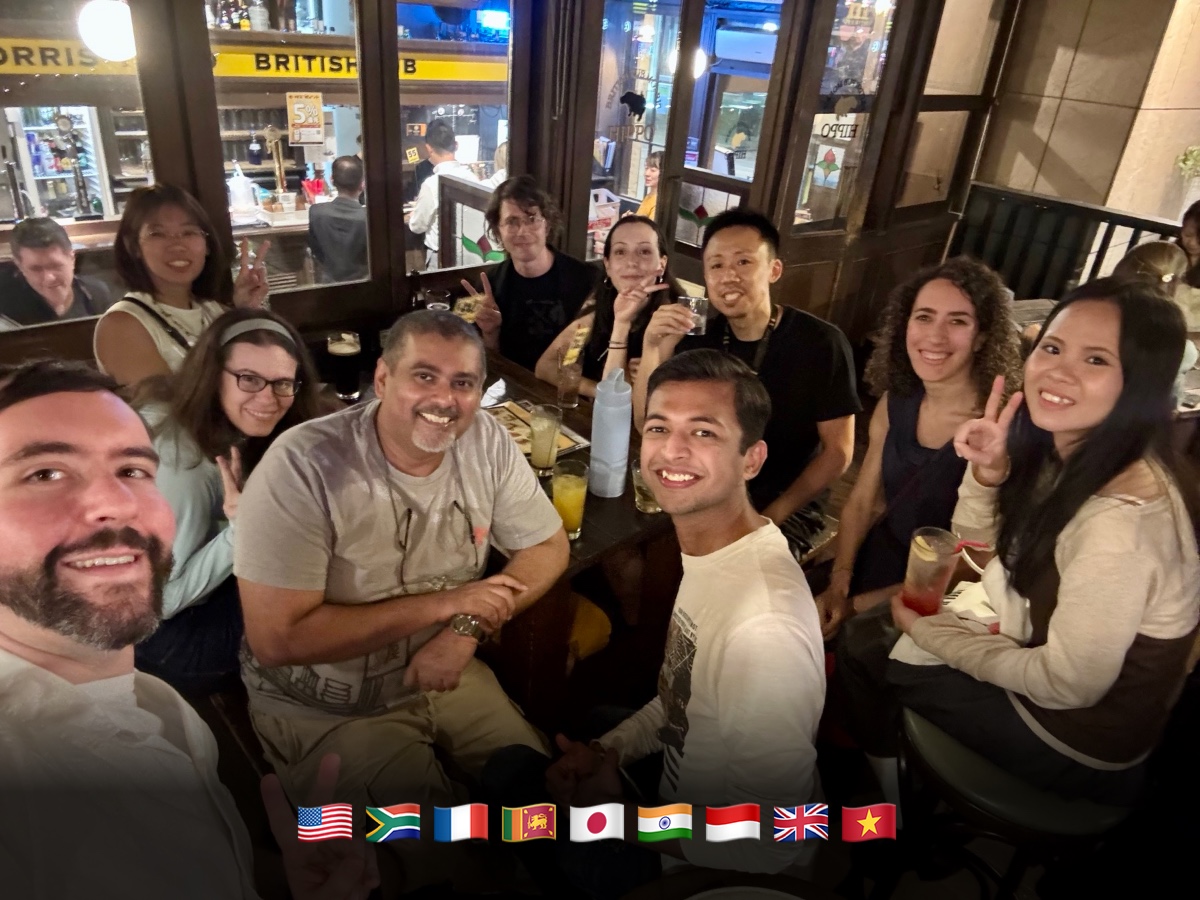
One message, and nine countries came out
A message into the meetup's LINE group on a Saturday, and a few hours later ten people from nine countries were out together in Hakata.
2026-10-12
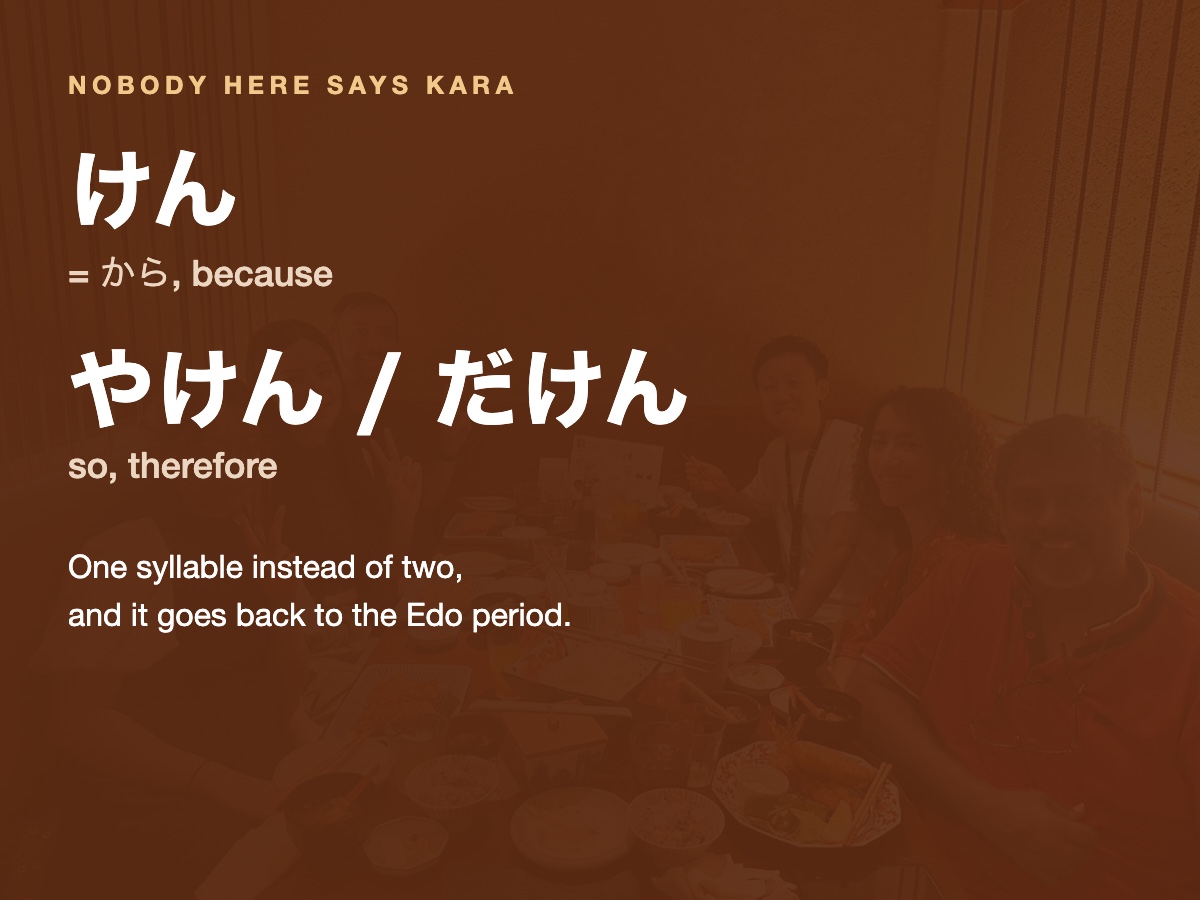
Fukuoka has its own word for because
The word your textbook gives you for because is not the only one this city uses, and the local one goes back to the Edo period.
2026-10-11
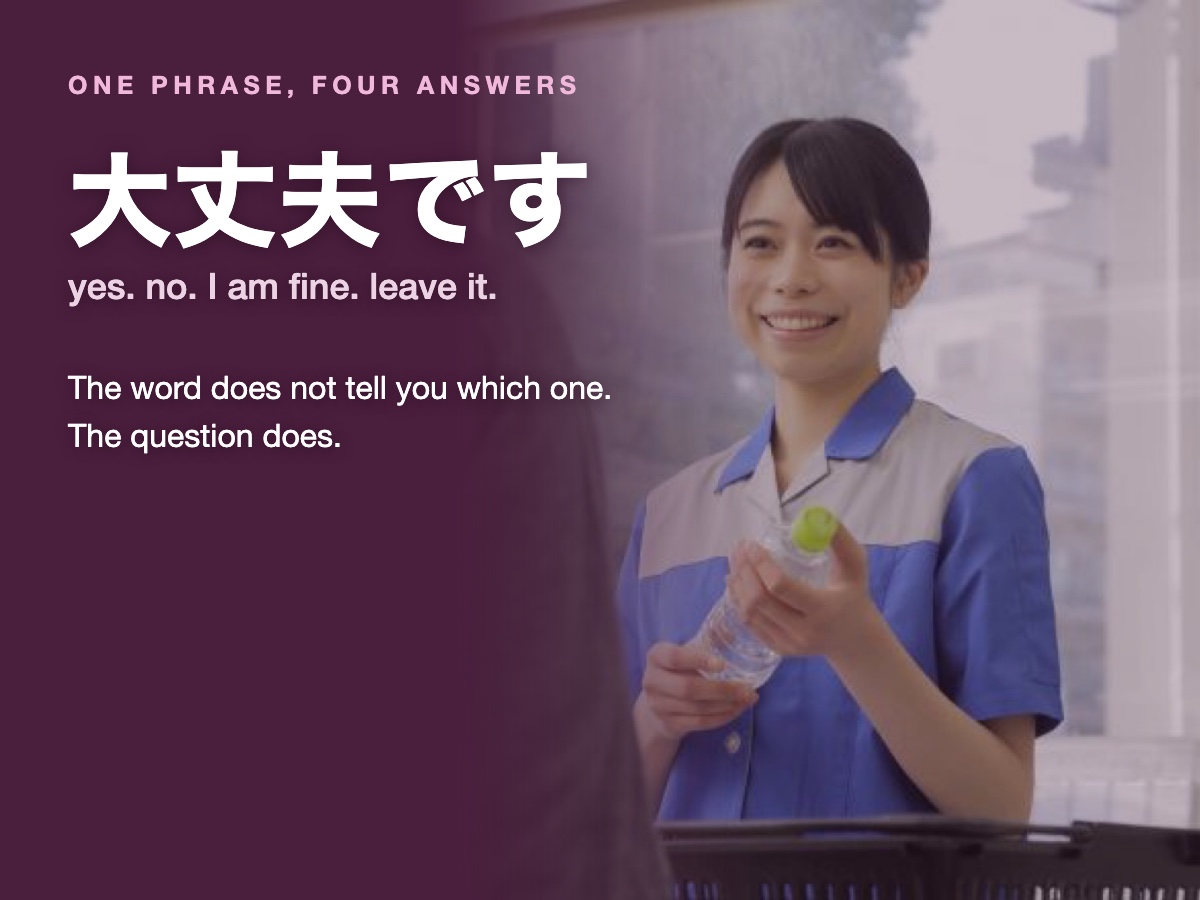
Daijoubu desu means yes. It also means no
One phrase, four answers. The word does not tell you which one you just heard. The question does.
2026-10-10
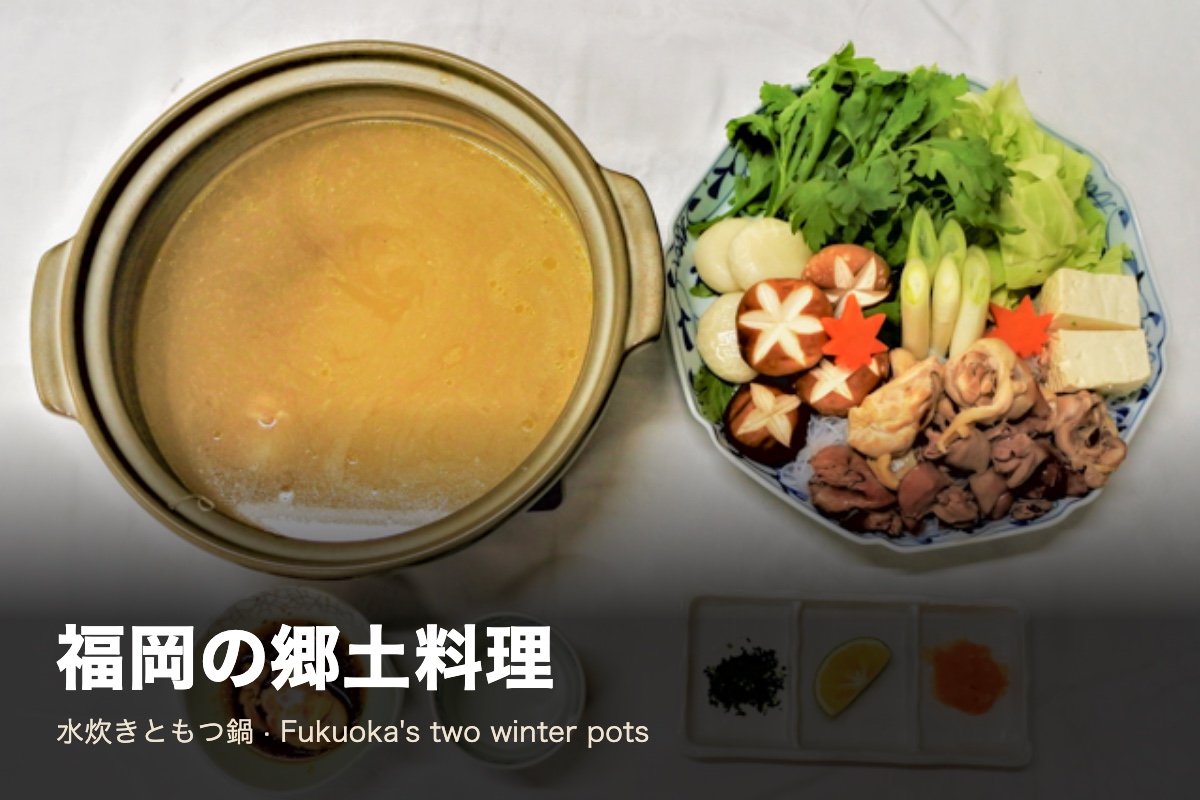
Fukuoka has two winter pots, and neither one is Japanese in origin
Mizutaki was worked out by a man who learned Western cooking in Hong Kong. Motsu nabe came from Korean workers at the coal mines.
2026-10-09
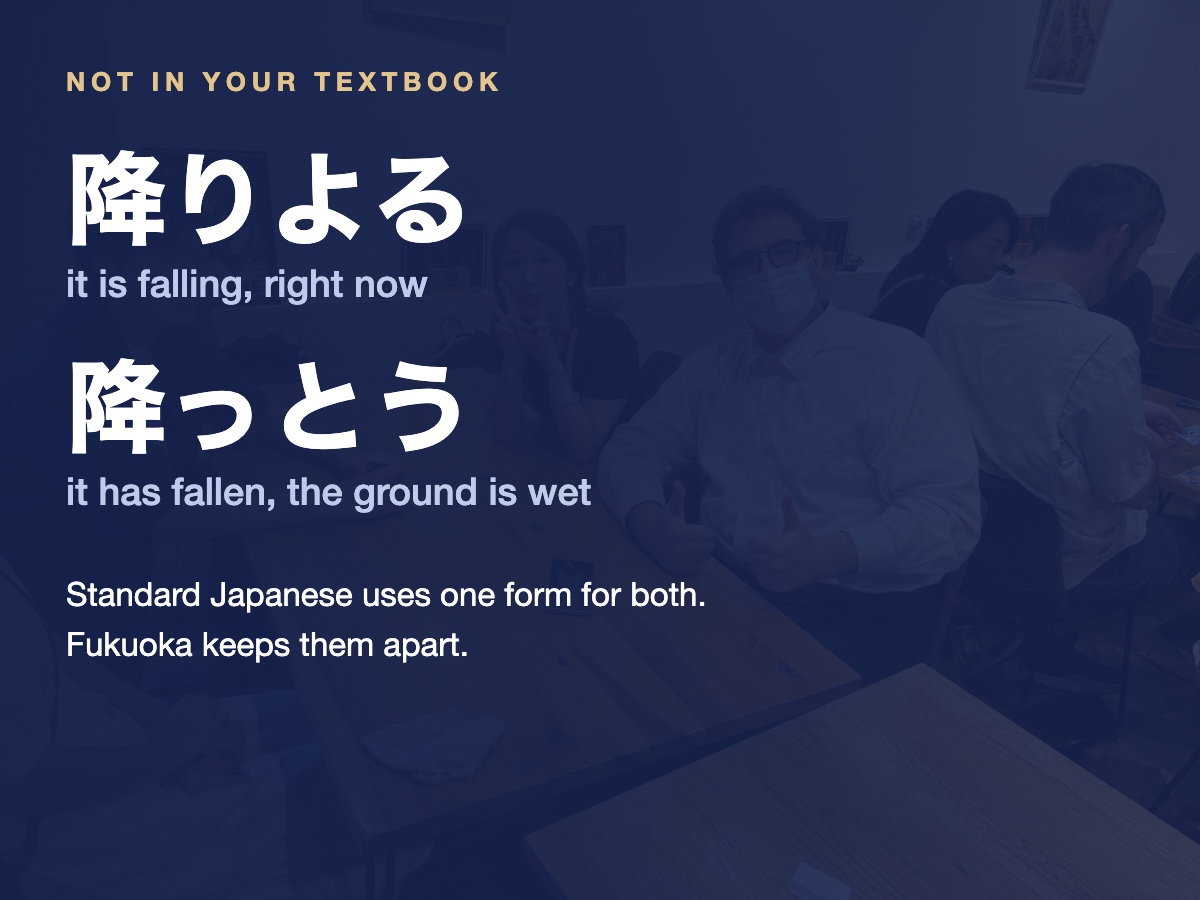
Fukuoka has two forms where your textbook has one
Standard Japanese uses te iru for both the action in progress and the result it left behind. In Fukuoka those are two different sentences.
2026-10-08
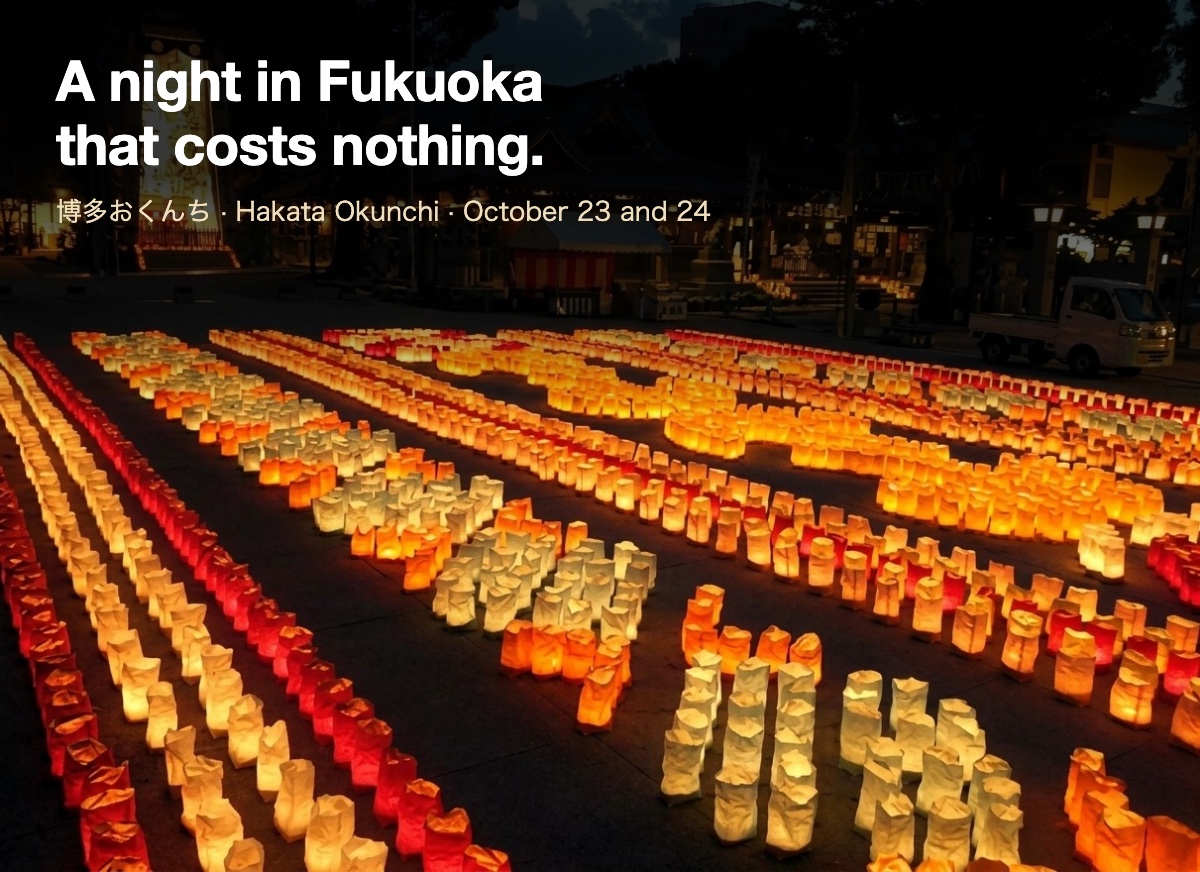
The Hakata festival almost everyone walks past
Hakata Okunchi runs on October 23 and 24 at Kushida Shrine. No ticket, no planning, ten minutes from Hakata Station.
2026-10-07
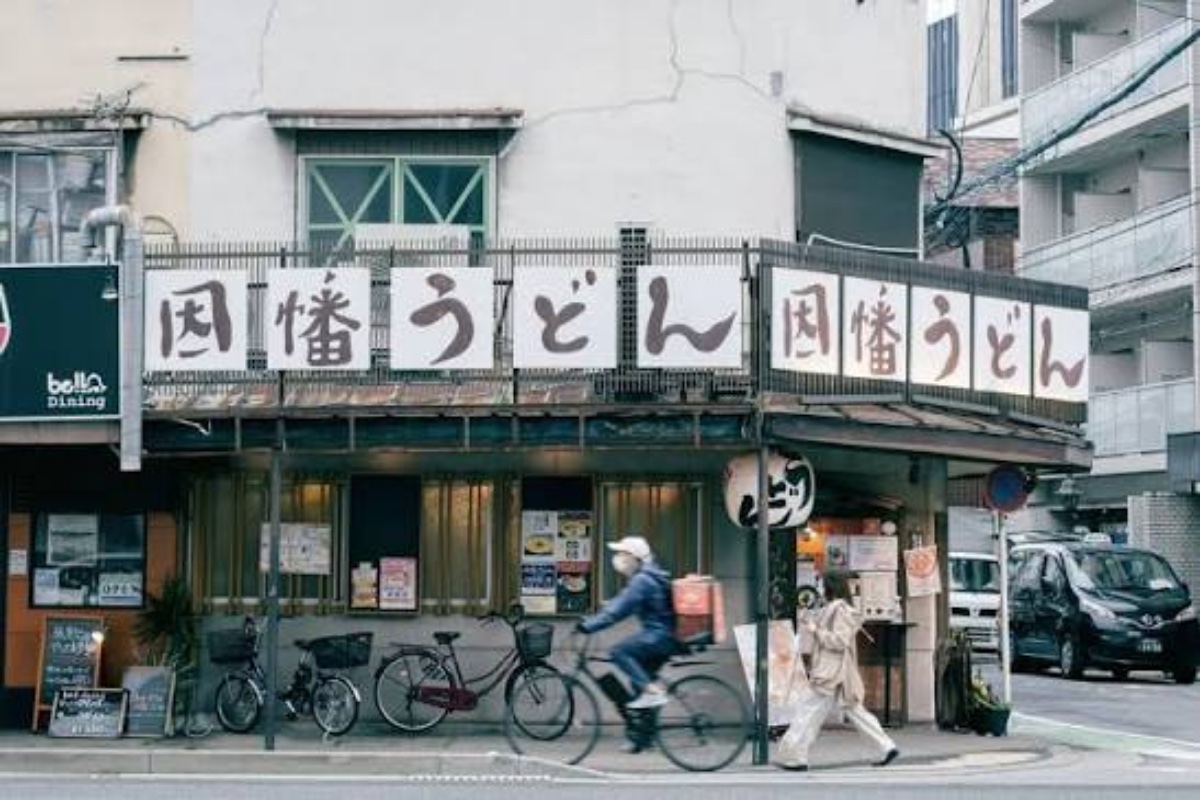
Fukuoka is a ramen city. The people who live here love udon
Udon and soba are said to have started in Hakata in 1241, and the bowl Fukuoka eats today is nothing like the udon you have had anywhere else.
2026-10-06
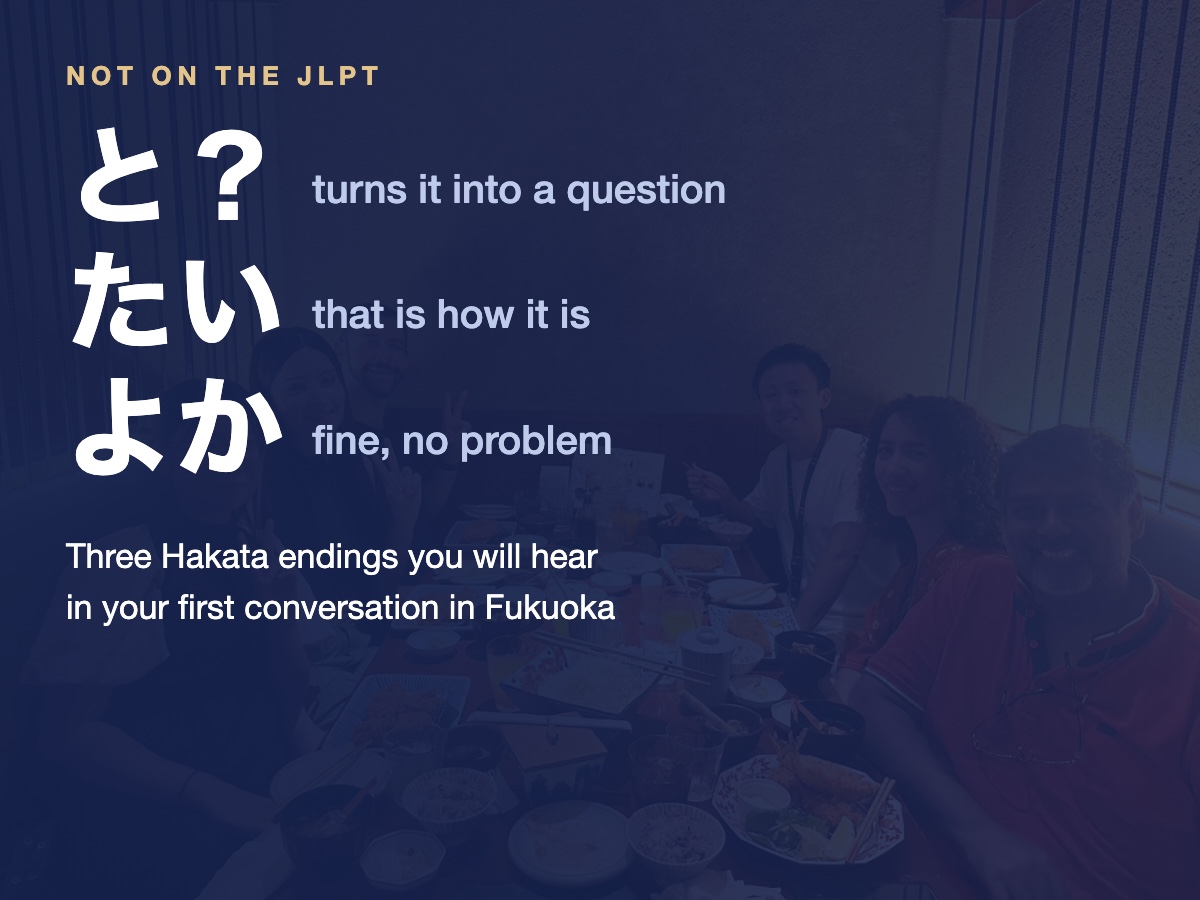
Three Hakata endings the textbook never taught you
To, tai and yoka. None of them are on the JLPT, and all of them are in the first conversation you have in Fukuoka.
2026-10-05
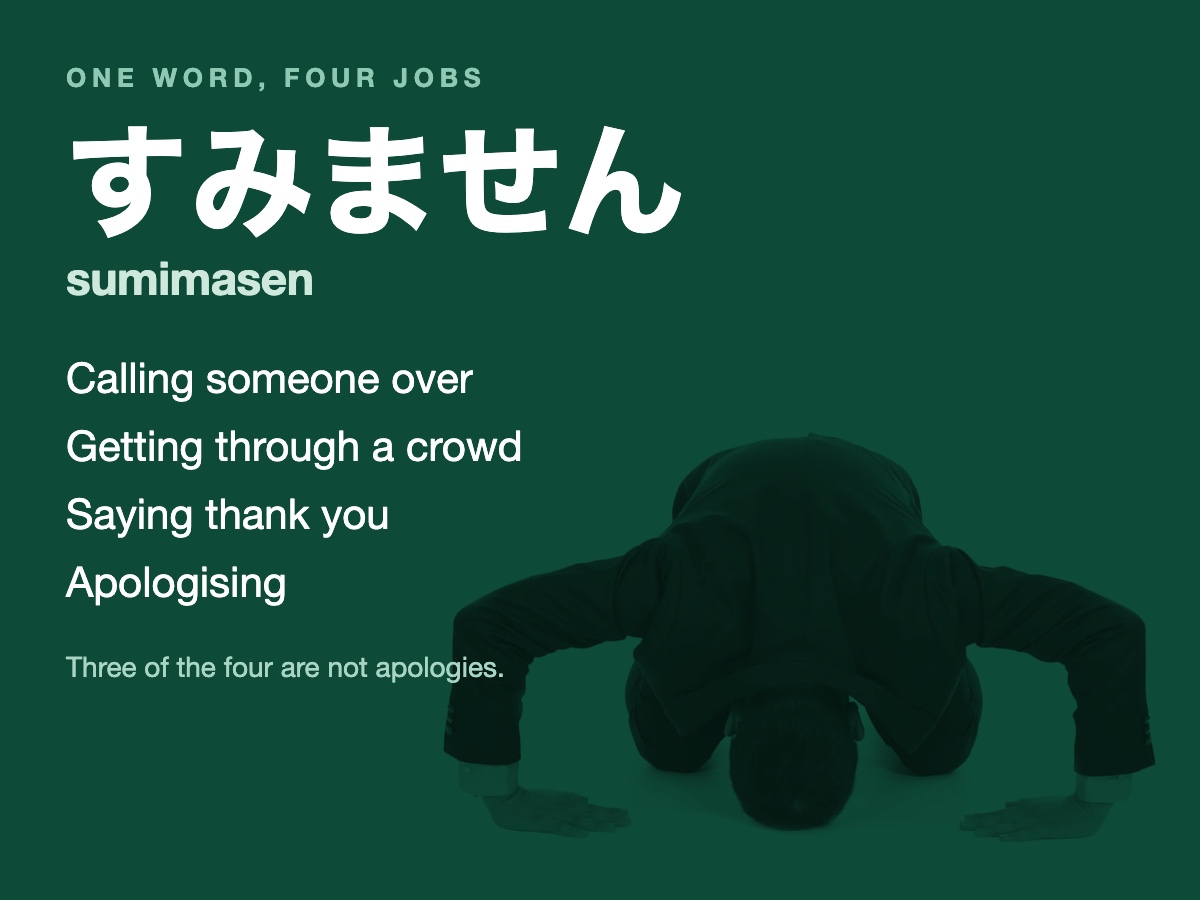
Sumimasen does four jobs, and three are not apologies
It calls someone over, opens a path, says thank you, and apologises. On day one in Japan it is the strongest single word you have.
2026-10-04
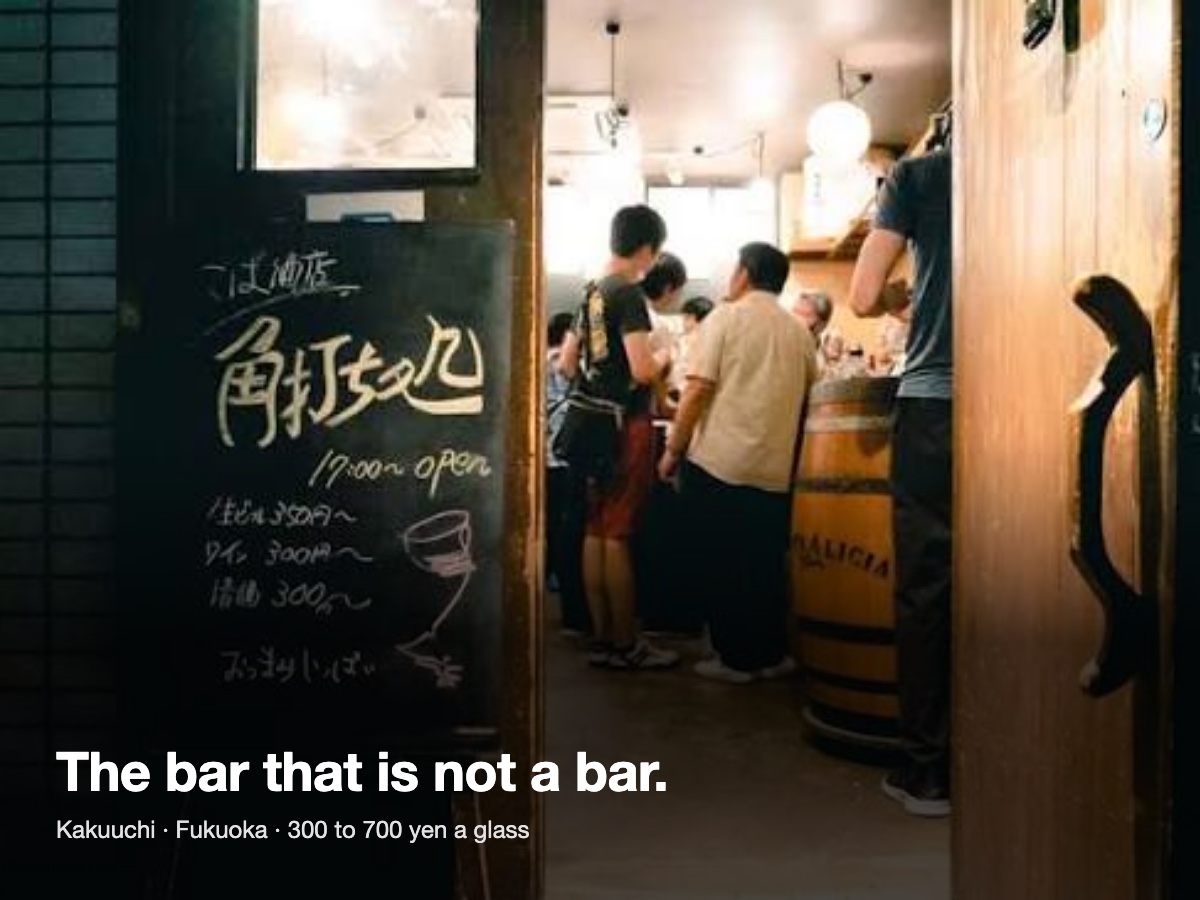
Kakuuchi: the Fukuoka bar that is not a bar
A liquor shop with a drinking corner, 300 to 700 yen a glass, no menu to study and no pressure to stay.
2026-10-03
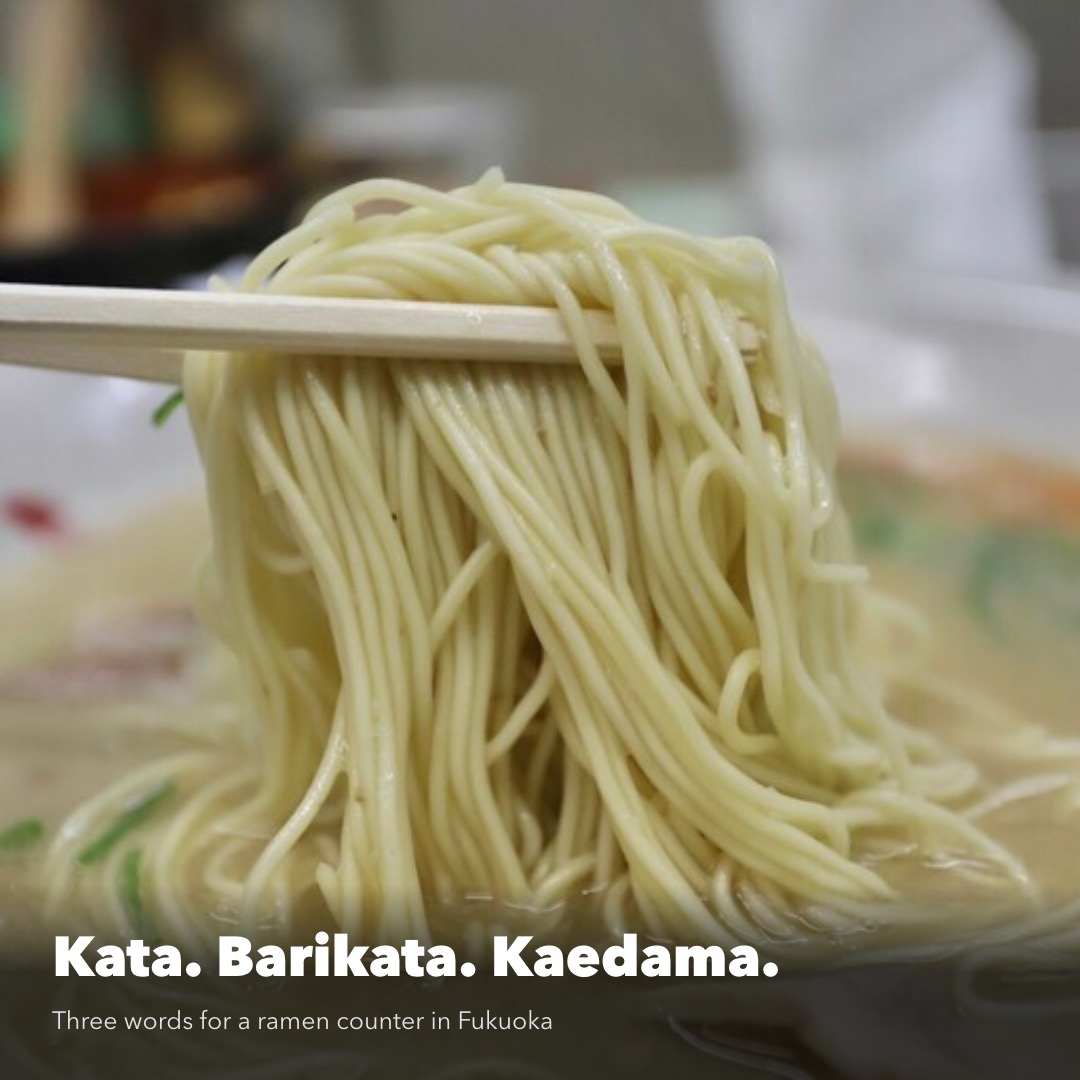
Three words to get through a ramen counter in Fukuoka
Kata, barikata, kaedama. The Japanese you need at a Hakata ramen counter, and why this kind of Japanese matters more than it looks.