
2026-10-10
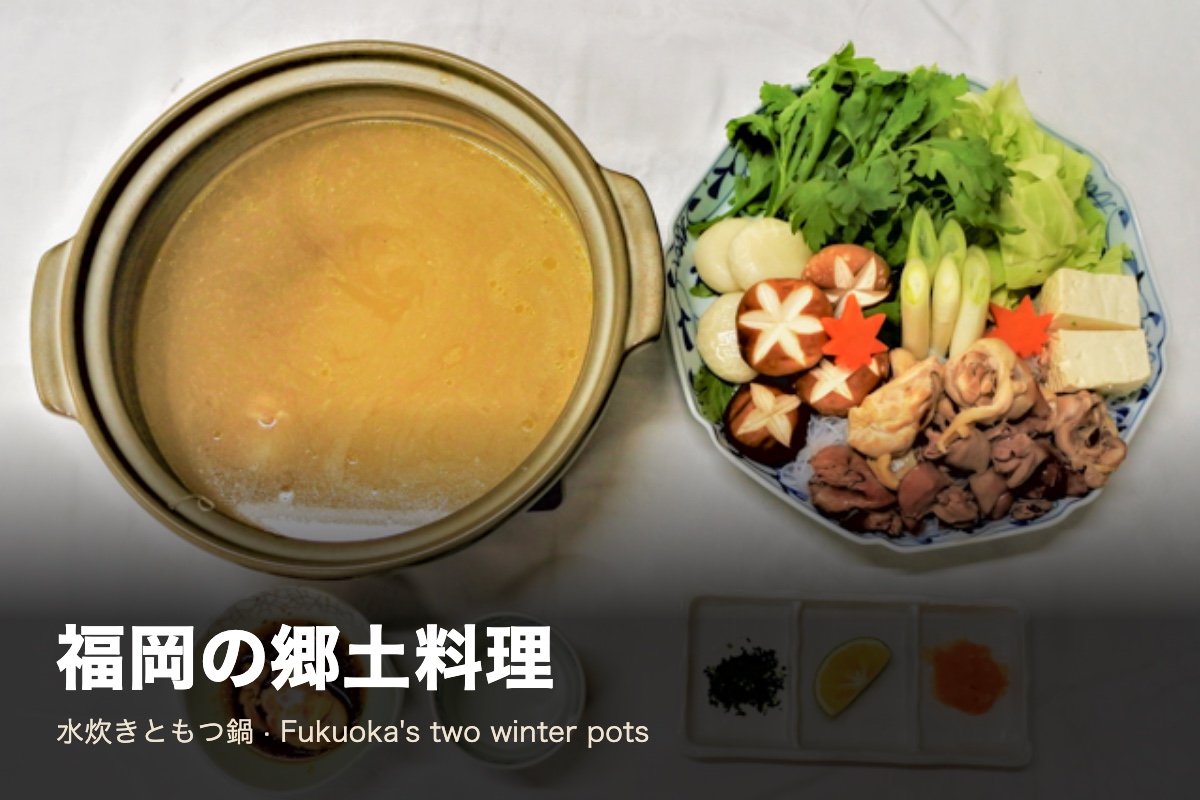
Fukuoka has two winter pots, and neither one is Japanese in origin
福岡の冬の鍋は2つ。どちらも日本生まれではありません
It is nabe season in Fukuoka, and this city is known for two of them. Most people outside Japan have only heard of one.
Motsu nabe (もつ鍋) is the famous one. The other is mizutaki (水炊き), and the story behind it is stranger than you would guess.
Mizutaki was worked out by a man named Heizaburo Hayashida. He was born in Nagasaki, went alone to Hong Kong at fifteen, and learned both Western and Chinese cooking there. He took the Western idea of a consomme and the Chinese method of simmering chicken, and made something that was neither. In 1905 he opened a shop in Fukuoka. It is still open today, in Hirao.
So the most Hakata thing you can eat on a cold night was worked out by a teenager who left Japan to learn how to cook.
Motsu nabe is a less certain story, and I will say that plainly. The usual account is that it began in Fukuoka in the food shortage after the Second World War, with cheap offal and nira cooked in an aluminium pot in a soy sauce broth. One version traces it to Korean cooking. Another has coal miners around the city boiling offal to keep their strength up. Every source I can find hedges, so take it as the story the city tells rather than a settled fact.
What is on the record is what happened later. Fukuoka motsu nabe shops opened in Osaka and Tokyo in the early 1990s, and in 1992 the word motsu nabe took the bronze in the new word category of Japan's buzzword awards.
Two pots. One of them was invented by a fifteen year old who went abroad to learn, and the other nobody can pin down. Both are what this city eats when it gets cold.
福岡は鍋の季節です。そしてこの街には知られた鍋が2つあります。日本の外で名前を聞いたことがあるのは、たいてい片方だけです。
有名なほうがもつ鍋です。もう1つが水炊きで、その成り立ちは思っているより変わっています。
水炊きを考えたのは林田平三郎という人です。長崎に生まれ、15歳で単身香港へ渡り、そこで西洋料理と中華料理の調理法を学びました。西洋料理のコンソメの考え方と、中華の鶏を炊き込む方法を取って、どちらでもないものを作ります。1905年に福岡で店を開き、その店は今も平尾で続いています。
寒い夜にいちばん博多らしいものを食べようとすると、それは料理を覚えに日本を出た15歳が作ったものだった、ということです。
もつ鍋のほうは、はっきりしていません。そこは正直に書きます。よく言われるのは、第二次世界大戦後の食糧難の時代に、福岡で安いもつとニラをアルミの鍋で炊き、醤油味で食べたのが始まり、という話です。朝鮮料理に由来するという説もあります。炭鉱で働く人たちがもつを煮て食べていたという説もあります。どの資料も「といわれる」で書いているので、確定した事実ではなく、この街が語り継いでいる話として受け取ってください。
記録に残っているのは、そのあとのことです。1990年代前半に福岡のもつ鍋の店が大阪と東京に出て、1992年には「もつ鍋」が新語・流行語大賞の新語部門で銅賞を取りました。
鍋が2つ。片方は料理を覚えに外へ出た15歳が作ったもので、もう片方は誰にも出どころが押さえられていません。どちらも、この街が寒くなると食べるものです。
Comments
No comments yet.
Log in to like, comment, and repost.