
"I thought I would just pick it up": an American engineer in Fukuoka
「勝手に身につくと思っていた」福岡で働くアメリカ人エンジニアの話
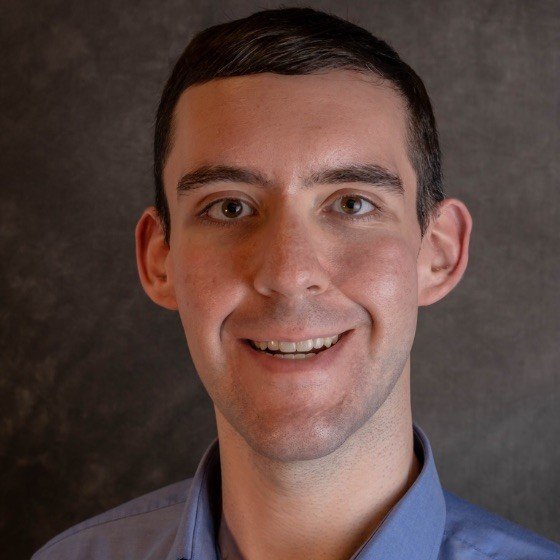
Travis is from Walla Walla, Washington. He now works in Fukuoka as a software engineer.
Why Fukuoka, and not Tokyo or Osaka? The jobs are there. But so is the size of the city.
"I think Tokyo is a bit too large for me."
Fukuoka felt closer to his hometown. The right size. And it had an energy the other cities did not.
Engineering work in Japan is concentrated in Tokyo, especially the roles you can do in English. He does not argue with that. So what does Fukuoka give back?
Cost of living. Less competition. And a higher share of startups, which matters if startups are what you enjoy. He works at one now. If the salary is roughly the same, he says, the money goes a lot farther here.
The hardest part of Japanese, still, is kanji. Too many characters that look alike.
The one thing that turned out easier was katakana. When the Japanese word will not come, he says the English word as if it were katakana, and maybe one time in five it lands.
"That would be the only cheat code, I guess."
He is 197 cm tall. There is no version of walking around Fukuoka in which he does not stand out. A television station once stopped him for an interview.
It is a blessing and a curse, he says. It gives people an easy reason to talk to you. But you also always feel foreign. Some days you just want to buy groceries without a child saying sugoi. On balance, he counts it as a positive.
We talked about Japanese at work. His team runs mostly in English, and the company hired him knowing his business Japanese was not there yet. Nobody expects keigo from him.
Meetings are the hard part. When the conversation turns to Japanese, he cannot always follow. Code review and documents can be translated. Live translation in meeting tools, and the transcripts afterwards, are not as good as translating a page in the browser.
On how people work, he prefaced it: his own company is fairly Western. But there are still people who will not leave until the boss leaves. At some companies, as he understands it, you are measured by the hours you spend there rather than by what you produce.
"If you want to keep growing here, choosing the right company is everything."
What he misses is family. And, he admits, food. Hot sauce is genuinely hard to find, and Japanese food is not that spicy.
Still, the quality of life is better. IT salaries are higher in America, but the number changes once you subtract the cost of living. He can walk everywhere and still afford his rent. He is not worried about mortgaging his life to go to the hospital. And it is safe. He feels at ease.
Finally, one piece of advice for an American engineer about to move to Fukuoka.
"Study as much Japanese as you can."
He arrived at N4. He is still N4, now studying for N3. He had assumed he would absorb the language by living here. But his workplace runs in English, so nothing arrives unless he goes and gets it.
The ward office and the paperwork ask for more Japanese than people expect. Without a friend to help, working through the procedures alone is hard.
"Don't worry about being perfect. Just as good as you can."
トラヴィスさんはアメリカのワシントン州、ワラワラという町の出身だ。今は福岡でソフトウェアエンジニアとして働いている。
なぜ東京でも大阪でもなく福岡だったのか。仕事はある。ただ、街の大きさが違った。
「東京は自分には少し大きすぎるんです」
地元の町の感覚に近い、ちょうどいい大きさだった。それに、福岡には他の街とは違う活気がある。そこが気に入ったそうだ。
エンジニアの仕事は東京に集まっている。特に英語で働ける職はそうだ。そこは認めたうえで、福岡で得たものを聞いた。
生活費が安い。競争が少し緩い。そして、スタートアップの割合が高い。大企業よりスタートアップの方が楽しいと感じる人には、福岡の方が向いている。今も彼はスタートアップにいる。同じ給料なら、福岡の方がそのお金は遠くまで届く。
日本語で一番苦しんでいるのは漢字だという。似た形の字が多すぎる。今も続いている。
逆に、思っていたより助かったのはカタカナだった。日本語の単語が出てこないとき、英語をカタカナのつもりで言うと、5回に1回くらいは通じる。
「唯一のチートコードですね」
身長は197センチある。街で目立たないわけがない。テレビの取材を受けたこともある。
これは良いことでもあり、しんどいことでもある、と彼は言う。話しかけてもらえるきっかけにはなる。ただ、ずっと外国人でい続ける感覚もある。スーパーに買い物に行っただけで、子どもに「すごい」と言われる日もある。それでも、全体としては良い方だと思っている。
仕事の日本語についても聞いた。職場は基本的に英語で回っている。会社も、ビジネス日本語ができない前提で採用している。敬語を使わないことを責められることはない。
一番困るのは会議だという。話が日本語になったとき、全部は追えない。コードレビューや文書なら翻訳が使える。ただ、会議の同時通訳や後から付く翻訳は、ブラウザの翻訳ほど当てにならない。
アメリカと福岡で、働き方の違いはどうか。自分の会社はかなり西洋的だと前置きしたうえで、こう続けた。上司が帰るまで帰らない人は、今もいる。会社によっては、出した成果ではなく、会社にいた時間で評価される。
「日本で伸び続けたいなら、会社を選ぶところで全部決まります」
恋しいのは家族。それから、食べ物。意外なところで、辛いソースが手に入らない。日本の料理はそこまで辛くない。
それでも、生活の質は上がったと感じている。IT職の給料はアメリカの方が高い。ただ、生活費を差し引いて考えると話が変わる。どこへでも歩いて行けて、家賃が払える。病院に行くのに人生を抵当に入れる心配もない。何より安全だ。気持ちが落ち着いている。
最後に、これから福岡に来るアメリカのエンジニアに一言もらった。
「できるだけ日本語を勉強してきてください」
来たときはN4で、今もN4だという。今はN3の勉強をしている。住んでいれば自然に身につくと思っていた。でも職場が英語なので、自分から取りに行かないと増えなかった。
役所の手続きは、思っているより高い日本語を求めてくる。助けてくれる友達がいなければ、一人で全部を片づけるのは難しい。
「完璧じゃなくていいんです。行けるところまで行っておく。それだけです」
Comments
No comments yet.
Log in to like, comment, and repost.