
「台湾出身の日本人です」二つの言葉を持って育った人の話
"I'm Japanese, from Taiwan": growing up with two first languages
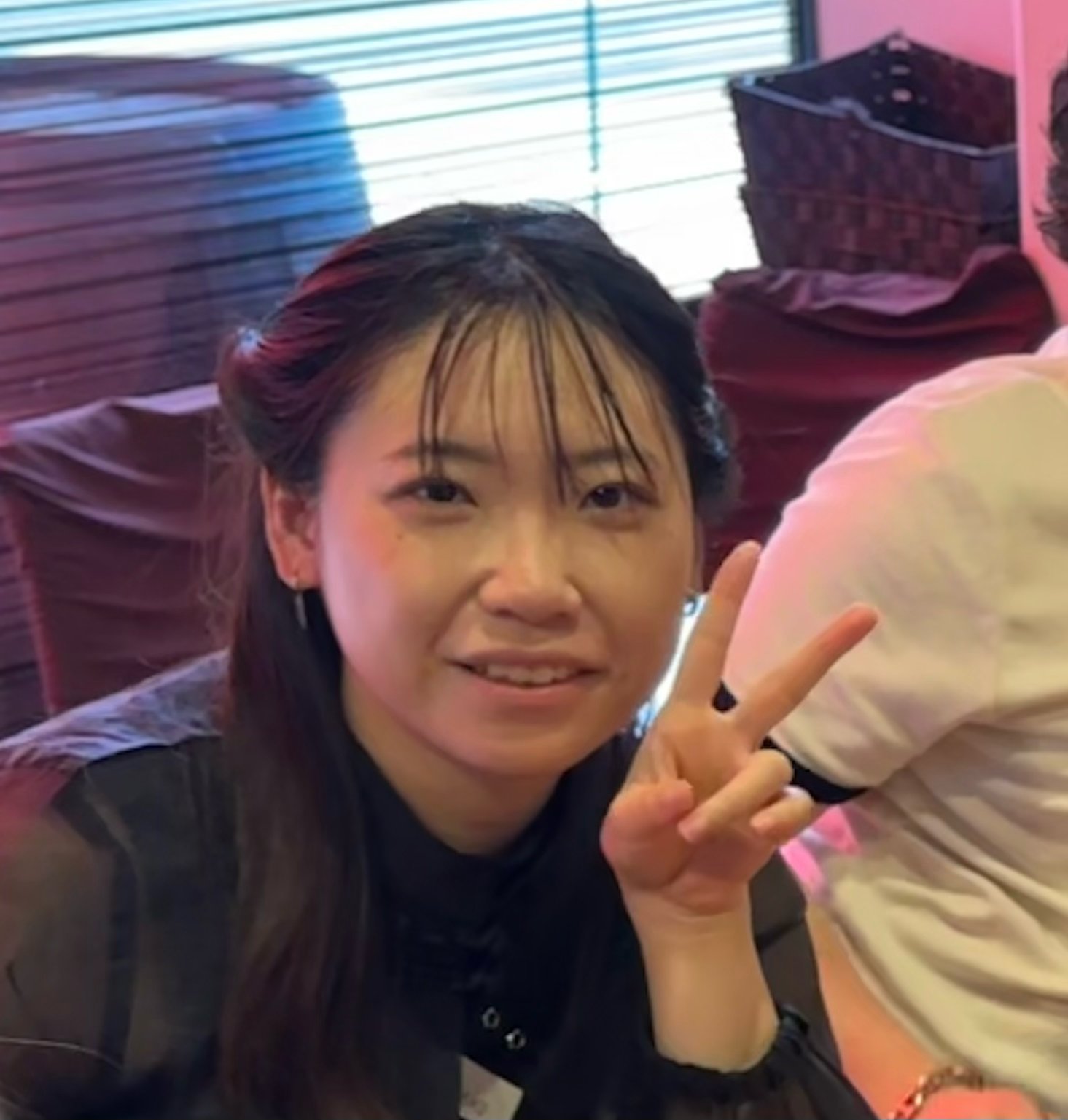
理恵子さんは台湾の南、台南の出身だ。家では日本語を話していた。一歩外に出れば中国語だった。夏休みになると、日本のおばあちゃんの家に来て過ごしていた。
中国語を勉強した記憶があるのは、幼稚園に上がってからだという。それまでは日本語だった。その後も、お父さんとは日本語、お母さんとは中国語。二つを持ったまま大人になった。
一番聞きたかったことを聞いた。考えごとをするとき、頭の中はどちらの言葉ですか。
「計算は中国語です。慣れている方なので」
考えごとの方は、どちらもあるという。日本語のときもあるし、中国語のときもある。決まっていない。
ただ、自分で選んでいないときの話も出てきた。台湾で酔っ払って、タクシーの運転手さんに日本語で話しかけていた記憶があるそうだ。
台湾にいるときと日本にいるときで、自分は変わるか。台湾にいるときは、もう少しまっすぐな気持ちでいる気がする、と返ってきた。
日本は敬語のある国だ。だから、言い方も、人との接し方も、自然と変わってくる。
言葉は、伝えるための道具というだけではないのかもしれない。その人の考え方や、振る舞いまで変えていく。
見た目の話も聞いた。小さいころは「日本人っぽいね」と言われた。大人になってからは、特に言われない。台湾も日本も同じアジアだから、見ただけでは分からない。福岡でも、基本的にはばれない。
二つあって得したことは何ですか。
台湾のお店で、家族と日本語で話していると、店員さんに「日本の方なんですね」と声をかけられることがある。そういうとき、たまにサービスしてもらえる。
逆に、面倒だったことは。少し間があって、戦争の話になった。
学校で、意地の悪い友達にいじられた記憶がある。ただ、こたえたのはそこではなかった。
「先生が、戦争のとき日本人はすごく悪いことをした、日本人はすごく悪いんですよって言った瞬間に、周りからすごく嫌な目線が来るんです」
そのとき、仲間外れにされた気持ちになる。なんで自分は日本人なんだろう、と思う。
どこの人ですか、と聞かれたら何と答えているのか。
出身は台湾で、名前は日本人。だからまず、台南の出身だと言う。そのうえで、こう名乗るそうだ。
「台湾出身の日本人です」
日本語で苦労している人を見て、何か感じることはあるか。
みんなすごく頑張っているのは分かる、と言う。台湾から来ると、敬語と動詞の変化が特に難しい。ニュアンスも難しい。それでも、一番早い方法は決まっていると思っている。現地の友達を作って、一緒に遊んで、喋ること。
福岡で良いと思うのは、街の落ち着きだという。博多も観光地で人は多い。それでも、大阪にいたときと比べると、栄えているのに落ち着いている。そこがとても好きだ。
恋しいのは台湾の食べ物。福岡ではなかなか同じ味に出会えない。漢方の風味が苦手な日本の人は多いので、そこが残ってしまう。
いま台湾から九州を見ている人は多い。熊本のTSMCの話もある。福岡に来ようか迷っている人へ、一言もらった。
「とりあえず出発して、現地まで着いてください。好きかどうかは、そこから考えることだと思います」
Rieko is from Tainan, in the south of Taiwan. At home the family spoke Japanese. One step outside, it was Chinese. Summers she spent at her grandmother's house in Japan.
The first Chinese she remembers learning came after she started kindergarten. Before that it was Japanese. After that it stayed split: Japanese with her father, Chinese with her mother. She grew up holding both.
I asked the thing I most wanted to know. When you're thinking, which language is it in?
"Arithmetic is Chinese. That's the one I'm used to."
Thinking is either, she says. Sometimes Japanese, sometimes Chinese. It isn't fixed.
Then she offered a case where she wasn't choosing at all. She remembers being drunk in Taiwan and talking to the taxi driver in Japanese.
Does she change, between being in Taiwan and being in Japan? In Taiwan she feels a little more direct, she says. A little more straight with what she feels.
Japan is a country with keigo in it. So the way she says things, and the way she holds herself with people, shifts on its own.
Maybe a language isn't only a tool for getting a message across. Maybe it reaches further in, into how a person thinks and how they behave.
We talked about how she reads to people here. As a child she was told she seemed Japanese. As an adult, not really. Taiwan and Japan are both in Asia, so nobody can tell by looking. In Fukuoka, she generally isn't spotted at all.
What has she gained from having both?
In shops in Taiwan, when she's speaking Japanese with her family, staff sometimes say: oh, you're Japanese. Now and then that comes with something extra on the house.
And the difficult side? A pause, and then the war.
There were the mean classmates at school, she remembers. But that wasn't the part that landed.
"The moment a teacher said that Japanese people did terrible things in the war, that Japanese people are terrible, these awful looks would come at me from all around."
In that moment she felt shut out. Why am I the Japanese one, she would think.
So when someone asks where she's from, what does she say?
She's from Taiwan. Her name is Japanese. So she starts with Tainan. And then she puts it like this.
"I'm Japanese, from Taiwan."
Does she feel anything, watching people struggle with Japanese?
That they're working very hard, she says. Coming from Taiwanese, keigo and verb conjugation are the hard parts. So is nuance. Still, she thinks the fastest route is settled: make local friends, go out with them, talk.
What she likes about Fukuoka is how calm it is. Hakata draws tourists and the crowds are real. Even so, compared with living in Osaka, it manages to be busy and settled at once. She loves that about it.
What she misses is Taiwanese food. It's hard to find the same taste in Fukuoka. A lot of Japanese people don't take to the herbal notes, so that flavour never quite arrives here.
Plenty of people in Taiwan are looking at Kyushu right now. TSMC in Kumamoto is part of it. For anyone weighing up a move to Fukuoka, one last word.
"Just set off and get here. Whether you like it is something to work out once you've arrived."
Comments
No comments yet.
Log in to like, comment, and repost.