
"If you want to live in Japan, go live in Japan": a French graphic designer's first weeks in Fukuoka
「日本に住みたいなら、住めばいい」福岡に来たばかりのフランス人デザイナーの話
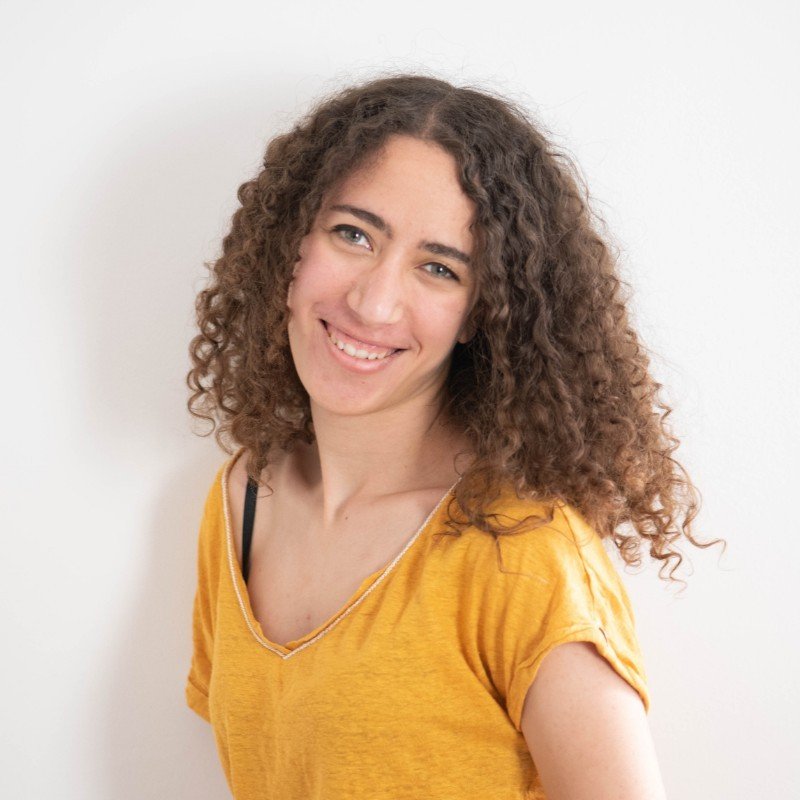
Mélissa is from France. Starting in October, she will work in Fukuoka as a graphic designer.
The job covers a lot of ground. Product visuals for online stores, Amazon and others, which change from country to country. Pamphlets, flyers and posters for events. And the packaging of the products themselves.
She arrived in Fukuoka about two weeks ago.
Her first impression was not a gentle one. She came in by taxi, and the driver was a little scary. Will this be okay, she wondered.
Then the people started showing up. Her roommates. A woman she had met at Japan Expo in France, who lived in Fukuoka and said the moment Mélissa landed, we have to meet, I will show you the town. Her father knew people here too. And the friend who had sent her the link to the job in the first place.
France and Japan, she says, are opposites. The landscape, the people, of course the language. That is exactly what she likes.
"The first thing I like about Japan is the people."
Everywhere she has gone, someone has been kind and helped her, and many of them became friends. She has friends in Aomori, Yamanashi, Tokyo, Kansai. She thinks part of it is that she is a foreigner who speaks Japanese. People want to talk to a foreigner, but many do not speak English. With her, they can just talk.
Does she miss anything from France yet? Her family. Her mom, her dad, her siblings. And her cat. The rest, not yet. It still feels a little like a holiday. The last few months in France were not easy. This is starting over.
The dream is older than the move. More than fifteen years old.
Her first trip to Japan was in 2007, to Osaka, for the World Championships in Athletics. Her father was working there as an announcer, the French voice of the stadium, alongside the English and Japanese voices.
She knew almost nothing about Japan then. Not even the anime that draws in so many people. But for two weeks, she felt at ease in a way she had not felt anywhere else she had traveled.
The one dark spot was that she felt like a tourist. Following the usual route, seeing the usual sights. She wanted to get off that road. So when she got home, she made herself a promise.
"Next time I come back to Japan, I will speak."
She studied on her own for about seven years, then three more years at a Japanese school in France. Anime and dramas, the same way she learned English from American films on Netflix. And a textbook that covered only the basics. She could not read or write, and that is why she went to school. Kanji is still hard. She can read some, not all.
She passed JLPT N2 about ten years ago, early in her time at the school, just barely. She never went for N1. She was not planning to work in Japan then, and N2 felt like enough to keep the door open.
So does N2, the line so many companies draw, actually tell you whether someone can live and work here? She does not think so.
"The problem with N2 is that it's just paper. You're not speaking."
It tests reading and listening. And it lasts forever. She passed it ten years ago and is not sure she is still at that level. What matters more, she says, is speaking. With AI and tools like Google, you can read things you do not know. But she knows plenty of people who can read everything and freeze the moment they have to speak.
What comes next, she does not know yet. She is in a share house on a six month contract. Maybe an apartment after that. For now, she wants to see how the work goes.
Finally, a message for people in Europe, in France, who have the same dream.
"Don't give up. Even if it's not now, if you want to go, you will go."
It took her more than ten years. And she has one more piece of advice: do not listen to social media. Plenty of influencers say Japan is hard, that you cannot work here. Make up your own mind.
"If it's hard, you can just go back. It doesn't mean you failed. It means you tried."
That, she says, is the difference between doing nothing and trying.
"If you want to live in Japan, then go live in Japan."
メリッサさんはフランスの出身だ。10月から、福岡でグラフィックデザイナーとして働き始める。
仕事の幅は広い。Amazonなどのネットショップに載せる商品の画像。これは国ごとに作りが違う。イベントのパンフレット、チラシ、ポスター。それに、商品のパッケージも手がける。
福岡に着いたのは、2週間ほど前だ。
最初の印象は、穏やかなものではなかった。空港からタクシーに乗ったら、運転手さんが少し怖かった。大丈夫かな、と思ったそうだ。
そこから、人が現れ始めた。シェアハウスの仲間。フランスのジャパンエキスポで知り合った、福岡に住む女性は、着いたらすぐ会おう、街を案内するから、と言ってくれた。父親にも福岡に知り合いがいた。そして、この仕事のリンクを送ってくれた友人もいた。
フランスと日本は正反対だ、と彼女は言う。景色も、人も、もちろん言葉も。そこが好きなのだという。
「日本でいちばん好きなのは、人です」
どこへ行っても、誰かが親切に助けてくれた。そしてその多くが友達になった。青森にも、山梨にも、東京にも、関西にも友達がいる。日本語を話す外国人だから、というのもあるのかもしれない、と彼女は言う。外国人と話してみたい。でも英語は話せない。彼女となら、そのまま話せる。
フランスで恋しいものは、もうあるのだろうか。家族。お母さん、お父さん、きょうだい。それから猫。ほかは、まだない。今はまだ少し休暇のような気分だ。フランスでの最後の数か月は楽ではなかった。これは、やり直しなのだという。
夢は、引っ越しよりずっと前からあった。15年以上になる。
初めて日本に来たのは2007年。大阪で開かれた世界陸上だった。父親がアナウンサーとして働いていて、スタジアムのフランス語の声を務めていた。英語の声、日本語の声と並んで。
当時は日本のことをほとんど知らなかった。多くの人が入口にするアニメにも、興味がなかった。それでもその2週間、旅行で行ったほかのどの場所とも違う、落ち着いた気持ちでいられた。
ひとつだけ引っかかったのは、自分が観光客だと感じたことだ。決まった道をたどって、決まった場所を見る。その道から外れたかった。だから帰国したとき、自分と約束をした。
「次に日本に来るときは、話せるようになっていよう」
独学で7年ほど、そのあとフランスの日本語学校で3年。アニメとドラマで学んだ。英語を、Netflixでアメリカ映画を見て覚えたのと同じやり方だ。それと、基礎だけが載った教科書。読み書きができなかったので、学校に通うことにした。漢字は今も難しい。読めるものもあるが、全部ではない。
JLPTのN2に受かったのは10年ほど前。学校に通い始めて間もない頃で、ぎりぎりの合格だった。N1は受けていない。当時は日本で働くつもりがなく、いつか働きたくなったときのためにN2があれば十分だと思った。
多くの会社が採用の条件にするN2。それで、ここで暮らして働けるかどうかが本当に分かるのか。彼女はそう思っていない。
「N2の問題は、ただの紙だということです。話していないんです」
試されるのは読むことと聞くことだけ。しかも一度取れば一生有効だ。10年前に取ったけれど、今もそのレベルかは分からない。大事なのはむしろ話すことだ、と彼女は言う。AIやGoogleのような道具があれば、知らない言葉でも読める。でも、何でも読めるのに、話す場面になると固まってしまう人を、たくさん知っている。
これから先のことは、まだ決めていない。今はシェアハウスで、契約は6か月。そのあとはアパートを探すかもしれない。まずは仕事がどうなるかを見たいという。
最後に、同じ夢を持つヨーロッパの人、フランスの人に一言もらった。
「諦めないでください。今じゃなくても、行きたいなら、きっと行けます」
彼女は10年以上かかった。そしてもうひとつ。SNSは聞かなくていい。日本は大変だ、日本では働けない、と言うインフルエンサーはたくさんいる。自分で決めること。
「大変だったら、帰ればいいんです。それは失敗じゃない。挑戦したということです」
何もしないことと、やってみること。違いはそこにある、と彼女は言う。
「日本に住みたいなら、住めばいいんです」
Comments
No comments yet.
Log in to like, comment, and repost.