
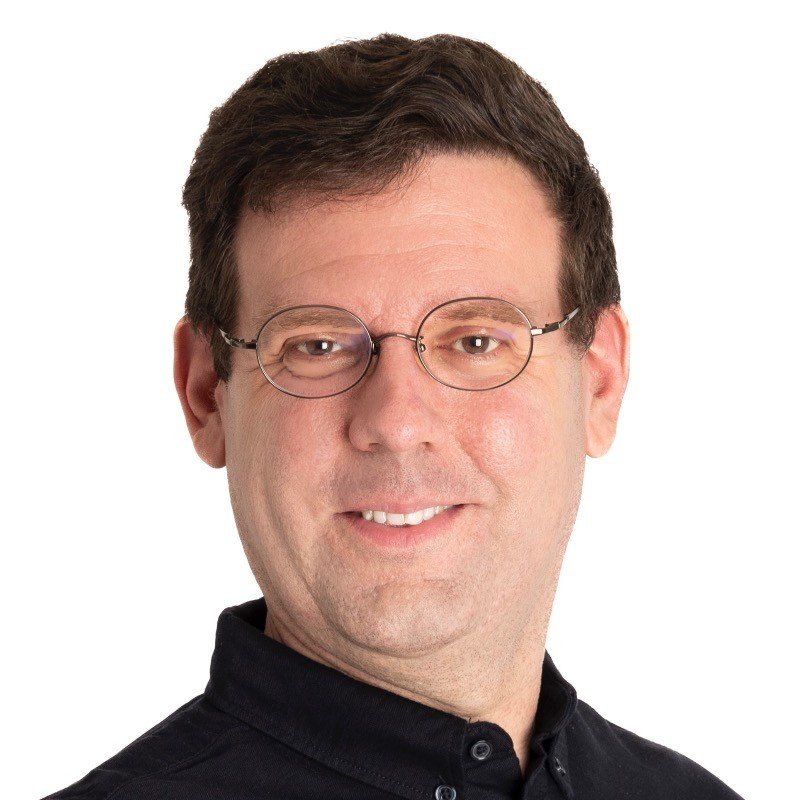
"If you don't fit in, you will be the foreigner forever": a Swiss life in Tagawa
「溶け込まないと、ずっと外国人のまま」田川に家を建てたスイス人の話
Roland is from the German speaking part of Switzerland. He now lives in Tagawa, in Fukuoka Prefecture, in a house he built.
Why Fukuoka, and Tagawa of all places? The answer was simple. His wife was born there.
Every early trip to Japan was a trip to Tagawa. They stayed around Fukuoka City and Kitakyushu. They travelled to Tokyo, Kyoto, Miyazaki and Hiroshima, but most of the time was spent in Tagawa, where her family is. She did not want to move far from them. So Tagawa it was.
Did he give anything up by moving from Switzerland? Not really, he says. He would rather talk about what he gained.
"A bigger sense of community. The Swiss are very private people."
In Switzerland, meeting a new neighbour can take weeks. People stay on their own and do not mingle.
Tagawa is the opposite. Someone moves in and everybody is interested. And this one is a foreigner. Let's go talk to him. In the area where he built his house, everyone is over 70. Somebody talks to him every day.
There is the kominkan to clean. The shrine to clean. Festivals. Everyone turns up and helps. A neighbour with a garden gives you vegetables, and you bring back omiyage when you travel. None of that happens in Switzerland.
Switzerland has four official languages. His mother tongue is Swiss German. At school it was German, French and English. Japanese came later, out of interest. Most of the French, he says, is gone.
The surprise in Japanese was the grammar.
"The grammar is easier than I expected. It is very logical. There are not many exceptions."
German, he says, is almost nothing but exceptions.
The writing is the hard part. He is a reader, and that is how he learns. Not being able to look at a Japanese text and read it straight away slows everything else down. Once he can read, the rest will come quickly. Getting there takes a while. There are a lot of kanji. He does not use Japanese at work, which does not help. And he is lazy, he adds, which does not help either.
Asked what differs most between Switzerland and Fukuoka, he answered immediately: the work culture. Then he qualified it. He has never worked inside a Japanese company. This is what friends tell him and what he reads.
Beyond work, he does not find central and northern Europe and Japan all that far apart.
Formality, for instance. It matters in Switzerland and Germany too. German has two ways of addressing someone, one for people you know and one for people you do not. American English has none of that. Everyone is on first names. British English he would put somewhere else entirely, since it stays formal, especially in business. Japan sits on the same axis as German.
Japan simply has more levels. Keigo. Your position inside the company.
"Everything has a hierarchy. It's very important to know where you stand, so you know what is polite, what you can do, what you can say."
In Switzerland your boss is still your boss. But even a department head is closer to a colleague.
What is better here? The cost of living.
Dinner out with his wife at an ordinary restaurant, eating well, comes to about 3,000 yen. The same evening in Switzerland would be around 28,000. There, you think first about whether you can go out at all.
Then he balances it. Taxes are high in Japan and low in Switzerland.
"So I wouldn't say there's something better or worse. It's just different."
Lots of small differences, and every positive has a negative on the other side of it. You get used to it. It is not that different.
Does he miss anything? Family and friends, he says, and then takes it back. He has a family here now. That cancels out. He speaks Swiss German every day at his company, so he cannot miss that either.
Food, the same. He has a raclette oven at home and buys the cheese at Costco. There is almost nothing he could get in Switzerland that he cannot get here. Cheese, milk and chocolate cost more. Then again, sushi costs more in Switzerland.
One last thing, for anyone in Switzerland thinking of moving to Fukuoka.
"Don't bring your own Swiss values and expect Japanese people to know them."
Most Swiss values sit well with Japan, he says. Being punctual. Taking your shoes off in someone's home. Those you do not have to think about.
The trouble is elsewhere. The things a Swiss person considers normal, does instinctively, and assumes everyone else understands. Do not do those here. Look at the situation first. Look at what the Japanese people around you are doing, then do the same.
"You have to fit in. If you don't fit in, you will be the foreigner forever."
ローランドさんはスイスの出身だ。ドイツ語圏で育ち、今は福岡県の田川に家を建てて暮らしている。
なぜ東京でも大阪でもなく、福岡の、しかも田川なのか。答えは簡単だった。奥さんが田川の生まれだからだ。
日本に来るときは、いつも田川だった。福岡市や北九州のあたりにいることが多かった。東京にも京都にも宮崎にも広島にも行ったが、過ごした時間の大半は田川だった。奥さんが家族から遠く離れたくなかった。それで田川に落ち着いた。
スイスから移ってきて、何かを諦めたかと聞くと、特にない、と返ってきた。むしろ得たものの方をよく話してくれた。
「人の輪ですね。スイス人はとても内向きなんです」
スイスでは、隣に新しい人が越してきても、話をするまでに何週間もかかる。人と混ざりたがらない。
田川はその正反対だった。誰かが越してくれば、みんなが興味を持つ。しかも外国人だ。話しかけに行こう、となる。彼が家を建てた地区は、住んでいるのが70歳を超えた人ばかりだという。毎日、誰かが話しかけてくる。
公民館の掃除がある。神社の掃除がある。祭りがある。全員が集まって、手を貸し合う。畑をやっている人は野菜をくれる。こちらはどこかへ行ったらお土産を返す。スイスでは、そういうことがない。
言葉の話も聞いた。スイスには公用語が4つある。母語はスイスドイツ語。学校ではドイツ語、フランス語、英語を習った。日本語はもっと後で、興味を持って始めた。フランス語はほとんど忘れてしまったそうだ。
日本語で意外だったのは文法だという。
「文法は思っていたより簡単でした。論理的で、例外が少ない」
ドイツ語はほとんど例外でできている、と彼は言う。それに比べれば筋が通っている。
苦しいのは文字の方だ。自分は読んで覚える人間だから、日本語の文章をその場で読めないことが効いてくる。読めるようになれば、そこから先は早い。ただ、そこまでが長い。漢字が多すぎる。仕事で日本語を使わないので、増える機会も少ない。それに自分は怠け者なので、と付け足して笑った。
スイスと日本で一番違うのはどこか。働き方だ、と即答が返ってきた。ただし自分は日本の会社の中で働いたことがないので、友人から聞いた話と、読んだ話です、と断りを入れた。
それ以外の部分は、ヨーロッパの中央から北のあたりと日本とで、そこまで大きくは違わないと感じている。
たとえば形式ばったところ。スイスやドイツでも、そこは大事にされる。ドイツ語には、知っている人への言い方と、知らない人への言い方が別にある。アメリカ英語にはそれがない。誰でも下の名前で呼び、youで済ませる。ただしイギリス英語は別で、特に仕事の場では形式が残る、と本人は言う。日本はドイツ語と同じ方向の話だ。
ただ、日本は段が多い。敬語があり、会社の中の位置がある。
「日本は、何にでも上下があります。自分がどこに立っているのかを知らないと、何が失礼にならないのかが分からない」
スイスでも上司は上司だ。それでも、部長でさえ同僚に近い。そこが違う。
日本の方が良いと思うことは何ですか。生活費だ、と言う。
奥さんと外食に行くとする。普通の店で、けっこう食べて3,000円。同じことをスイスでやると2万8,000円くらいになる。スイスでは、外に出られるか、どこかで食べられるか、それを買っていいのかを、いちいち考えることになる。
ただし、と続けた。日本は税金が高い。スイスは安い。
「だからどちらが良い悪いではなく、ただ違うんです」
小さな違いがたくさんあって、良いことの裏には必ず悪いことがある。逆もそうだ。慣れれば済む話で、そこまで大きな違いではない。それが彼の見方だった。
恋しいものはありますか。家族と友達、と答えたあとで、自分で打ち消した。今はこちらに家族がいる。それで相殺されている。スイスドイツ語も、会社で毎日話しているので恋しくなりようがない。
食べ物もそうだ。家にはラクレット用のオーブンがあり、チーズはコストコで買える。日本で手に入らないものは、ほとんどない。チーズも牛乳もチョコレートもスイスより高いが、寿司はスイスの方が高い。それだけの話だ。
最後に、これから福岡に来るスイスの人へ一言もらった。
「自分の国の価値観を持ち込んで、それを日本人が分かってくれると思わないことです」
スイス人の価値観の多くは日本と相性がいい、と彼は言う。時間を守ること。家に上がるとき靴を脱ぐこと。そういうものは考えなくていい。
問題はそこではない。スイス人が当たり前だと思っていて、考えずに体が動いてしまうこと。しかも、相手も分かっているはずだと思い込んでいること。それを日本でやらない。まず状況を見る。まわりの日本人が何をしているかを見る。それから同じことをする。
「溶け込まないと、ずっと外国人のままです」
コメント
まだコメントはありません。
ログインすると、いいね・コメント・リポストができます。