
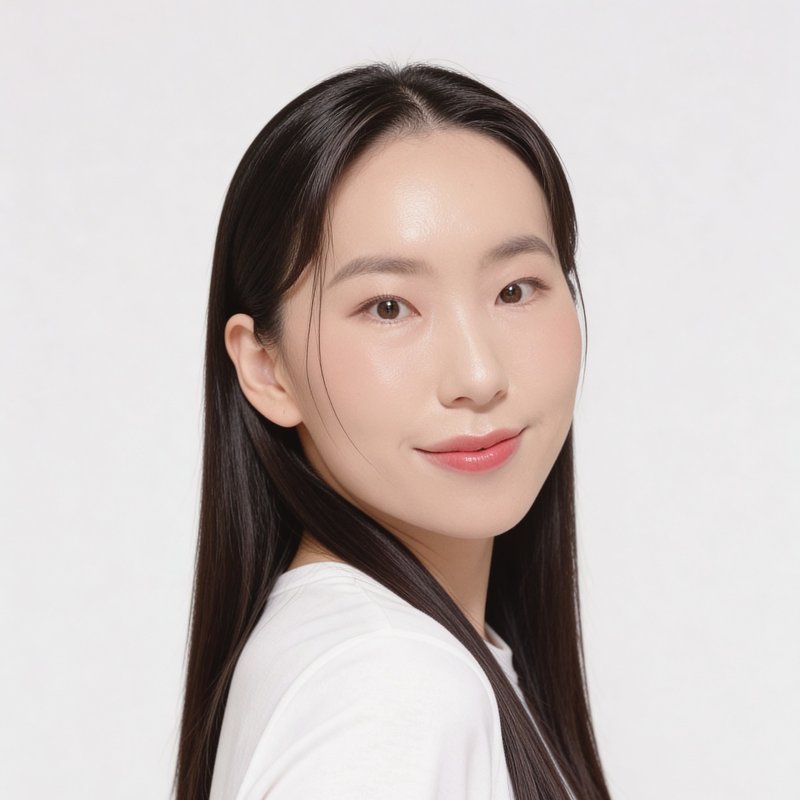
韓国から福岡へ、ミキさんの8年
Miki's 8 Years in Fukuoka, from Korea
ミキさんが韓国から福岡に来て、8年になる。今は家族と一緒に福岡で暮らしている。
なぜ東京でも大阪でもなく福岡だったのか。決めたのはお母様だった。 福岡には船も飛行機もある。両方あれば、韓国と行き来しながら暮らせる。
そういう考えだったそうだ。
日本語については、「韓国語と文法が似ているから楽でしょう」とよく言われるそうだ。 実際、そこは楽だった。英語のように語順がひっくり返る言語だと、まずそこで詰まる。 その苦労がないぶん、最初は軽く入っていける。
ただ、似ていることが罠になる。
「文法が間違っていないからこそ、自分が話したいことをそのまま日本語に訳してしまうと、韓国式の日本語になってしまうんです」
文法としては合っている。でも日本語としては通じない、妙な言い回しができあがる。 だから、日本の人が普段どう話しているのかを、あらためて覚え直さなければならなかった。 似ているから入りやすい。似ているから、その先が長い。
見た目の話も聞いた。街を歩いていて、外国人だと気づかれることはほとんどない。
それでも、福岡に来たばかりのころは気づかれた。 韓国の化粧品を使い、韓国でいつもしていたメイクのまま歩いていたとき、こう声をかけられたことがある。 「日本の方じゃないですよね。もしかして韓国の方ですか」
しんどかったですか。そう聞くと、そうでもない、と返ってきた。 ただ、その一言がきっかけになった。何が違和感を生んだんだろう。
そこから考えるようになった。
行き着いた答えは、顔ではなかった。音。単語の選び方。日本の人があまり使わない言い回し。 そしてイントネーション。外から来た人だと分かるのは、そういうところだった。
「違和感は偏見につながりやすいので、とにかく違和感を解除させるために、いろんな工夫をして生きてきました」
だから言葉に力を入れてきた。地元の人と話すことをためらわない。それをずっと自分に課してきた。
一番恋しい韓国のものは何ですか。そう聞くと、食べ物ではなく「情」という答えが返ってきた。
互いを思いやって支え合う。それが韓国だと思う、と。
日本は、比べるとわりとクールに感じた。優しさがないのではない。優しさの種類が違う。
ただ、そのクールさが自分には合っていた。 人との距離がクールなぶん、まわりに気を配るより、自分に向き合えるようになった。 自分のことに集中できるようになったのは、とても良かったそうだ。
福岡は海が近い。それだけで気持ちが切り替わる。 環境がいいので、ピュアな気持ちでいられる。
8年住んだ人がそう言うのなら、そうなのだろう。
It has been eight years since Miki came to Fukuoka from Korea. She lives here now with her family.
Why Fukuoka, and not Tokyo or Osaka? Her mother made the call. Fukuoka has ships as well as planes. With both, you can live here and still move back and forth to Korea.
That was the thinking, she says.
About Japanese, people often tell her it must be easy, since Korean grammar is so similar. And that part was easy. With a language like English, where the word order flips, you get stuck at the very first step. Without that, the way in feels light.
But the similarity is a trap.
“Precisely because the grammar is not wrong, if I translate what I want to say straight into Japanese, it comes out as Korean-style Japanese.”
Grammatically it holds up. As Japanese it does not land, and you end up with odd turns of phrase. So she had to learn again, from the beginning, how people here actually speak. Easy to enter because the languages are close. And long from there on, for the same reason.
We talked about how she reads to people here. Walking around town, she is almost never taken for a foreigner.
Still, when she had just arrived in Fukuoka, people noticed. She was using Korean cosmetics and wearing the makeup she had always worn in Korea when someone said to her: “You're not Japanese, are you? Korean, maybe?”
Was that hard, I asked. Not really, she said. But that one line started something. What was it that felt off?
She has been thinking about it ever since.
The answer she reached was not her face. It was sound. Word choice. Turns of phrase Japanese people do not often use. And intonation. That is what marks someone as coming from outside.
“A sense of something being off turns into prejudice very easily. So I have lived by finding every way I can to take that feeling away.”
That is why she has put so much into the language. She does not hesitate to talk to local people. She has held herself to that.
What do you miss most from Korea, I asked. The answer was not food. It was jeong (情).
Caring for each other, holding each other up. That, she thinks, is Korea.
Japan felt fairly cool by comparison. Not that the kindness is missing. The kind of kindness is different.
But that coolness suited her. With more distance between people, she stopped managing everyone around her and started facing herself. Being able to concentrate on her own life, she says, has been very good.
Fukuoka is close to the sea. That alone resets something. The surroundings are good, so she can keep an uncomplicated frame of mind.
When someone who has lived here for eight years says that, it is probably true.
コメント
まだコメントはありません。
ログインすると、いいね・コメント・リポストができます。